
Free Pest Inspection: What You Should Expect
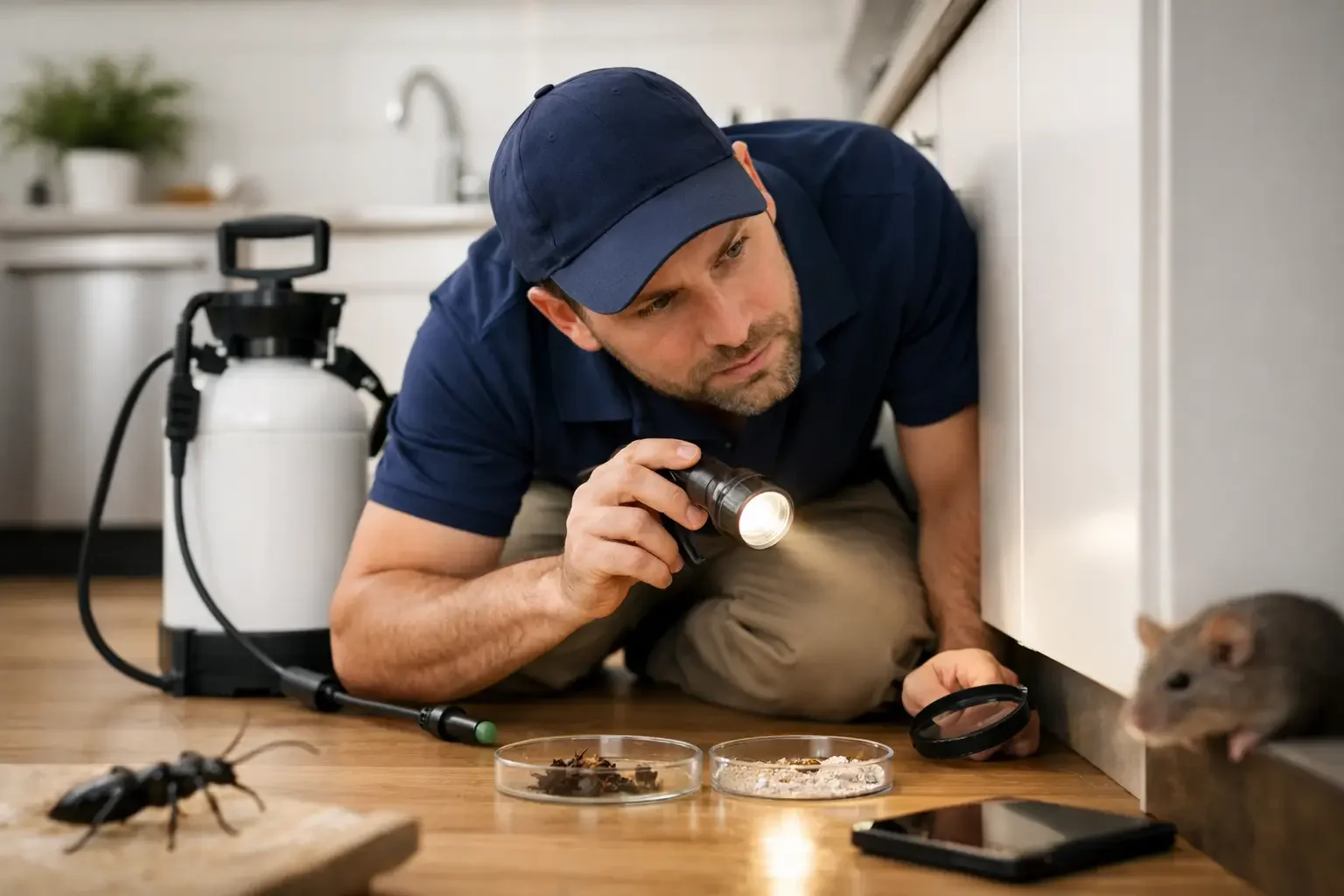
You usually know something is off before you know exactly what it is. Maybe it is ants showing up in the kitchen for the third morning in a row. Maybe you hear scratching in a wall at night. Maybe wasps have picked your patio as their summer headquarters. That is where a free pest inspection actually helps - not as a gimmick, but as the point where guesswork stops and a real plan starts.
A good inspection should leave you with clarity. You should understand what pest activity is happening, how serious it is, where it is coming from, and what your options are. You should not leave with a vague warning, a lot of pressure, and a price that somehow depends on whether you sign today.
What a free pest inspection is really for
At its best, a free pest inspection is a straightforward evaluation of your home or property. The goal is to find evidence of current pest activity, conditions that invite pests in, and the most sensible way to treat or prevent the problem.
That matters because many pest issues look similar at first. Ants and moisture problems often overlap. Spider activity can be seasonal or a sign that other insects are thriving nearby. Rodent sounds in an attic can mean one mouse, several mice, or an entry point that has been there for months. If someone skips the inspection and jumps straight to treatment, there is a decent chance they are treating the symptom and missing the cause.
For homeowners, the value is simple. You get information before you spend money. For property managers, the value is even bigger. A proper inspection helps you prioritize what needs attention now versus what can be monitored, which matters when you are balancing budgets, tenants, and repeat issues.
What should happen during a free pest inspection
A real inspection is not just someone glancing at your baseboards and handing you a quote in under four minutes. It should involve questions, observation, and a little problem-solving.
Most inspections start with what you have noticed. Where are the pests showing up? When did it start? Is it worse at certain times of day or during certain weather? Have you used store-bought sprays or traps already? Those details help narrow the cause faster than people think.
From there, the technician should check likely problem areas. In a typical home, that may include the exterior foundation, eaves, doors, windows, garage, utility penetrations, attic access, crawl spaces if applicable, and interior areas where moisture, food, or shelter attract pests. If the issue is mosquitoes, the inspection should look at standing water, shade, dense landscaping, and yard conditions. If the concern is lawn pests or tree health, the focus should shift accordingly. Pest control is not one-size-fits-all, and a useful inspection reflects that.
You should also expect plain-English feedback. Not a dramatic speech. Not a science lecture. Just a clear explanation of what was found, what was not found, and what should happen next.
What a free pest inspection should include
The exact scope depends on the pest issue, but a solid inspection usually covers three things.
First, it identifies active signs. That could mean droppings, nesting material, insect trails, webbing, damaged wood, wasp nest activity, or entry points around the home.
Second, it looks at contributing conditions. Overwatered landscaping, gaps under garage doors, food storage issues, tree limbs touching the roof, heavy clutter, pet food left outside, and standing water all matter more than most people want to hear. Pests are opportunists. If the setup works for them, they will keep coming back.
Third, it leads to a treatment recommendation that matches the problem. Sometimes that means recurring pest service because the issue is seasonal and ongoing. Sometimes it means a one-time specialty treatment. Sometimes it means no treatment is needed yet, just prevention and monitoring. Honest service includes saying that when it is true.
Red flags during a free pest inspection
Not every free inspection is generous. Sometimes free just means the sales pitch starts sooner.
If the technician cannot explain what they found, that is a problem. If every home somehow needs the biggest package available, that is also a problem. If pricing is fuzzy, the guarantee is hard to pin down, or the company avoids simple questions about follow-up visits, keep your guard up.
The biggest red flag is pressure. Pest problems can be stressful, and some companies know that. They may push long contracts, same-day discounts that disappear by dinner, or treatment plans that sound urgent before they sound logical. A good company earns the job by being clear, not by making you uncomfortable.
This is especially important for families with kids and pets. If treatment safety is a concern, the company should be ready to explain how products are applied, where they are applied, and what options exist for lower-impact or organic interior treatments. If they act annoyed by those questions, that tells you plenty.
Questions worth asking during the inspection
You do not need to interrogate anyone, but a few direct questions can save you from a frustrating experience later.
Ask what pest activity was found and what evidence supports it. Ask whether the recommendation is for prevention, active treatment, or both. Ask how often service is needed and why. Ask what happens if pests return between visits. Ask whether there are contracts, cancellation fees, or extra charges for retreatments.
Those questions are not awkward. They are normal. In fact, a company that values transparency should welcome them.
You can also ask whether bundling services makes sense for your property. That is not always relevant, but sometimes it is. If you are already dealing with mosquitoes in the yard, lawn issues that attract insects, or trees that create easy access near the roofline, it can be smarter and more cost-effective to solve related problems together rather than piece them out one by one.
Why local inspections tend to be better
Pest control is local whether companies admit it or not. The patterns in Utah are not the same as the patterns in Arizona, Texas, or Florida. Seasonal spider pressure, ant activity, wasps around eaves, rodents looking for warmth, and mosquito spikes around irrigation all play out differently depending on neighborhood, elevation, weather, and even landscaping habits.
That is why local experience matters during a free pest inspection. Someone who works your area regularly is more likely to recognize what is common, what is unusual, and what prevention actually works long term. They also tend to understand how to treat without overdoing it.
For many homeowners, that balance matters just as much as effectiveness. You want pests handled, but you also want common-sense treatment around your family, pets, lawn, and home. A local company that explains its approach clearly will usually feel a lot easier to trust than a giant operation reading from a script.
The best inspection ends with options, not pressure
A useful inspection should point you toward a decision you can feel good about. That may be recurring service if you want ongoing protection without having to think about every ant trail and wasp nest yourself. It may be a targeted one-time fix. It may even be advice on changes you can make first and treatment you can hold off on.
That last part gets overlooked. The best companies do not create confusion to make the sale easier. They reduce confusion so you can make the right call.
That is one reason straightforward service models make such a difference. If pricing is clear, retreatments are guaranteed, and there are no contracts or cancellation penalties hanging over your head, the whole process feels more normal. It should feel normal. Hiring pest control is not supposed to feel like buying a used car.
Safe Chem Pest has built a lot of trust around that exact idea - simple plans, family-safe options, no-contract service, and honest recommendations without the theater. That kind of approach makes a free inspection more useful because the conversation stays focused on the problem, not the pitch.
If you are comparing providers, pay attention to how they handle that first visit. The inspection tells you almost everything about what the rest of the relationship will look like. If they are clear now, they will probably be clear later. If they are slippery now, it usually does not improve after you sign.
A free pest inspection should leave you feeling informed, not cornered. If it gives you real answers, practical options, and a clear path forward, it has done its job.