
How Long Do Mosquito Barrier Treatments Last?
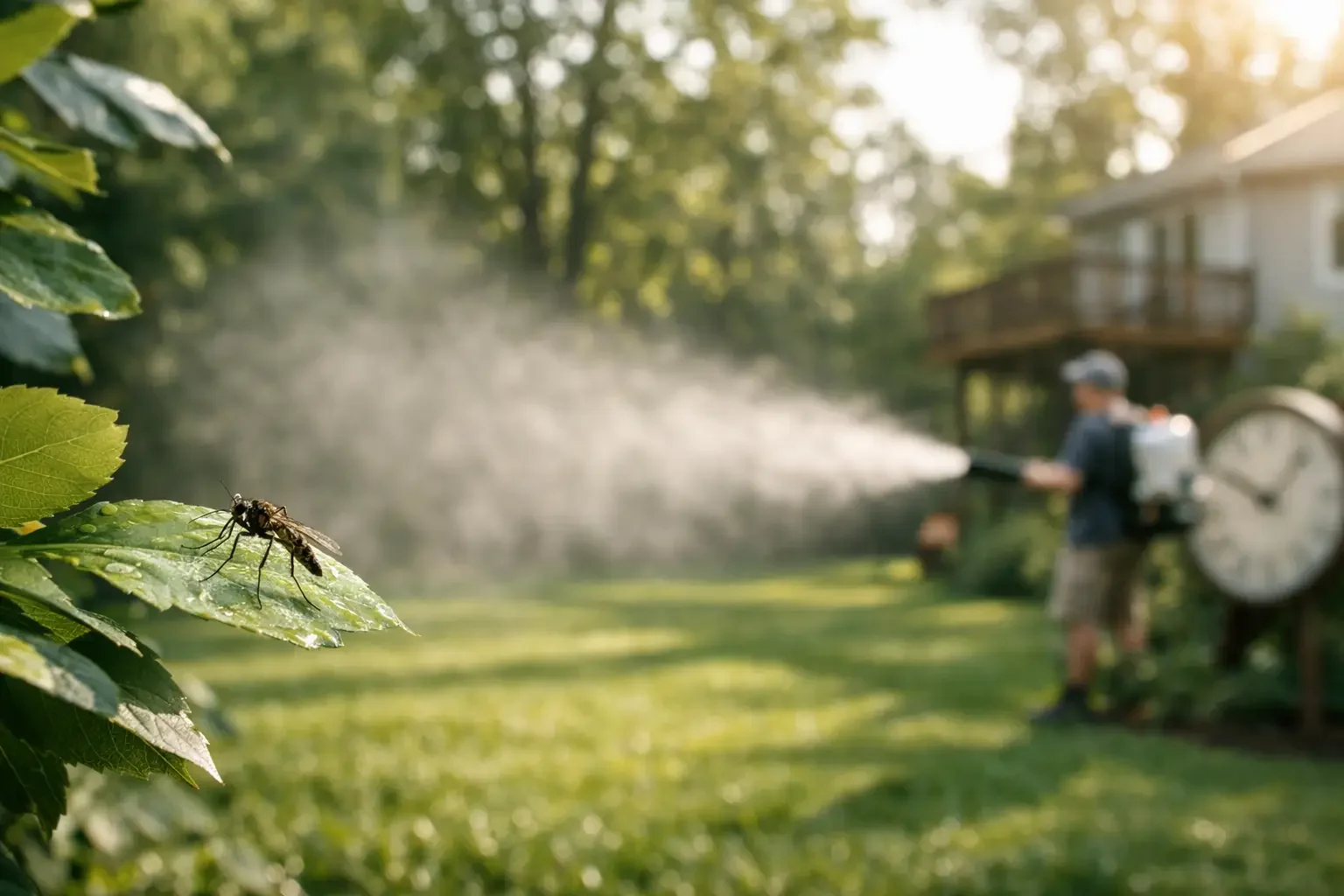
A backyard can go from peaceful to unbearable in about ten minutes when mosquitoes show up. Homeowners often ask how mosquito barrier treatments last because they want more than one nice evening outside - they want reliable relief through Utah’s mosquito season.
For most properties, a professional mosquito barrier treatment provides meaningful protection for about 21 to 30 days. That is why monthly service is the standard during the active season. But the honest answer is that duration depends on your yard, the weather, and how much mosquito pressure is coming from nearby water and vegetation.
How long mosquito barrier treatments last in a typical yard
A mosquito barrier treatment is applied to the shaded, leafy areas where adult mosquitoes rest during the day. Think shrubs, low tree branches, ground cover, fence lines, patio edges, and other cool, protected spots. Mosquitoes do not spend their day hovering in the middle of a sunny lawn. They hide until the temperature drops, then come looking for dinner.
When those resting areas are treated properly, most homeowners notice a major reduction in mosquito activity for three to four weeks. The goal is not to promise that no mosquito will ever cross your property line. Mosquitoes can fly in from a neighboring yard, a drainage area, or a nearby patch of tall vegetation. The goal is to make your own outdoor space far less inviting and far more usable.
A monthly schedule also prevents the familiar pattern of waiting until the bites get bad, treating once, and then starting over after the population builds back up. Consistent service keeps pressure down instead of playing catch-up all summer.
What can make a mosquito treatment wear off sooner?
The calendar gives a useful estimate, but your property tells the real story. A dry, tidy yard with limited shade may hold treatment performance well. A lush property near standing water can need more attention. Several factors can shorten the effective window.
Rain and sprinkler coverage
Rain does not automatically erase a mosquito treatment. Once the application has dried, ordinary rain generally does not wash it away. However, repeated heavy rain, frequent overhead irrigation, or sprinklers that soak shrubs and patio borders every day can gradually reduce how long material remains on treated foliage.
If your sprinkler heads spray directly into bushes where mosquitoes rest, adjusting them can help. Your plants do not need a full shower every morning, and neither does your mosquito barrier.
Fast-growing plants and frequent trimming
Treatments are placed on existing foliage. When shrubs put on a lot of new growth, that fresh growth has not been treated. The same applies after a major hedge trim or tree pruning. If a large amount of treated foliage is removed, mosquitoes may find new places to hide.
That does not mean you should skip yard maintenance. It simply means a heavily landscaped yard may benefit most from regular monthly service, especially during peak summer activity.
Nearby standing water
Mosquitoes need water to reproduce. A small amount can be enough - clogged gutters, birdbaths left unattended, planter saucers, toys collecting rainwater, neglected pools, and low spots that stay wet after irrigation are common offenders.
A barrier treatment targets adult mosquitoes resting in your yard. It is most effective when paired with basic source reduction. Empty or refresh water-holding containers at least once a week, keep gutters draining, and address areas that stay soggy. If there is a pond, ditch, retention area, or drainage channel nearby, mosquitoes may continue arriving from outside your property. Monthly treatments are especially helpful in those situations.
Heat, shade, and neighborhood pressure
Utah summers can bring hot, dry stretches, but mosquitoes still find pockets of cool shade and moisture. Dense landscaping, mature trees, creek-adjacent areas, and shaded yards can support more mosquito activity than open, sunny lots.
Neighborhood conditions matter too. You can do everything right in your own yard and still have mosquitoes drift in from a nearby property with standing water or overgrown vegetation. That is not a failed treatment. It is simply why a mosquito program works best as ongoing prevention rather than a one-and-done fix.
Why monthly mosquito service makes sense
Mosquito populations can rebound quickly. Warm weather speeds up their life cycle, and new adults can emerge throughout the season. Waiting until you are getting bitten again usually means the population has already had time to rebuild.
Monthly barrier applications create a more dependable rhythm. Your technician treats the places mosquitoes use most, checks for conditions that may be contributing to the problem, and refreshes protection before the previous treatment has fully faded. It is a practical approach for families who want to use the patio, let kids play in the yard, or enjoy a barbecue without becoming the main course.
For an upcoming graduation party, wedding reception, family reunion, or backyard event, timing matters. Schedule treatment several days before the event when possible. That allows the application to dry and begin working in the areas where mosquitoes are resting. If your property has a serious mosquito issue or sits near water, treating ahead of time is much better than calling the day before guests arrive.
What a mosquito barrier treatment can and cannot do
A good mosquito service should set reasonable expectations. It can substantially reduce the number of biting mosquitoes around your home by targeting their resting areas. It can make patios, play areas, and yards more comfortable. And it can help keep routine outdoor time from turning into a bug-spray routine.
It cannot create an invisible dome over the entire neighborhood. Mosquitoes are mobile, and a single mosquito may still land on you after flying in from elsewhere. Wind, neighboring breeding sites, and untreated areas outside your lot all affect what you notice day to day.
That is also why mosquito control is not just about applying a product and calling it good. The best results come from a targeted treatment, the right service interval, and a quick look at the moisture and vegetation conditions around the home. A provider should explain what they are treating and why, not leave you guessing.
How to help your treatment last longer
You do not need to redesign your yard to get better results. A few simple habits can make a real difference between services:
Dump, drain, or refresh standing water weekly, including birdbaths, buckets, toys, and plant trays.
Keep gutters clear and fix outdoor areas where water consistently pools.
Trim back dense vegetation around decks, patios, windows, and play areas when practical.
Avoid running sprinklers directly onto shrubs and foliage immediately after treatment, and let the application dry before irrigating.
Keep grass reasonably trimmed, especially along fences, sheds, and shady edges.
These steps do not replace professional mosquito control, but they remove the easy opportunities mosquitoes rely on. Less standing water and fewer damp hiding places generally mean better results.
Is mosquito treatment safe around kids and pets?
This is a fair question, especially when the treatment area is the same yard where children and pets spend time. The right approach is targeted application, not soaking every square inch of the property.
At Safe Chem Pest, mosquito treatments are designed around the areas mosquitoes actually use, with family- and pet-conscious service practices. Your technician can give clear instructions about keeping people and pets out of treated areas until the application has dried. That drying period is usually straightforward, but always follow the specific guidance provided for your service.
If you keep pollinator gardens, have a vegetable garden, or have specific concerns about a pet’s habits, bring it up before treatment. A local technician should be able to plan around those details instead of treating every yard exactly the same way.
When to start mosquito treatments in Utah
The best time to start is before mosquitoes become a regular part of your evening. In Weber, Davis, and Salt Lake counties, mosquito activity typically increases as temperatures warm in spring and continues through the warmer months. Starting early helps reduce the population before your patio season is in full swing.
If you are already seeing mosquitoes every evening, it is still a good time to begin. You may need to pair treatment with a closer look at standing water and shaded vegetation, but relief does not have to wait until next year. A monthly plan gives your yard the best chance to stay comfortable while the weather is worth enjoying.
The bottom line is simple: expect a quality mosquito barrier treatment to last roughly three to four weeks, then keep it refreshed on a schedule that matches your yard. Mosquitoes may be persistent, but you should not have to surrender your own backyard to them.