
A Guide to Child Safe Extermination at Home
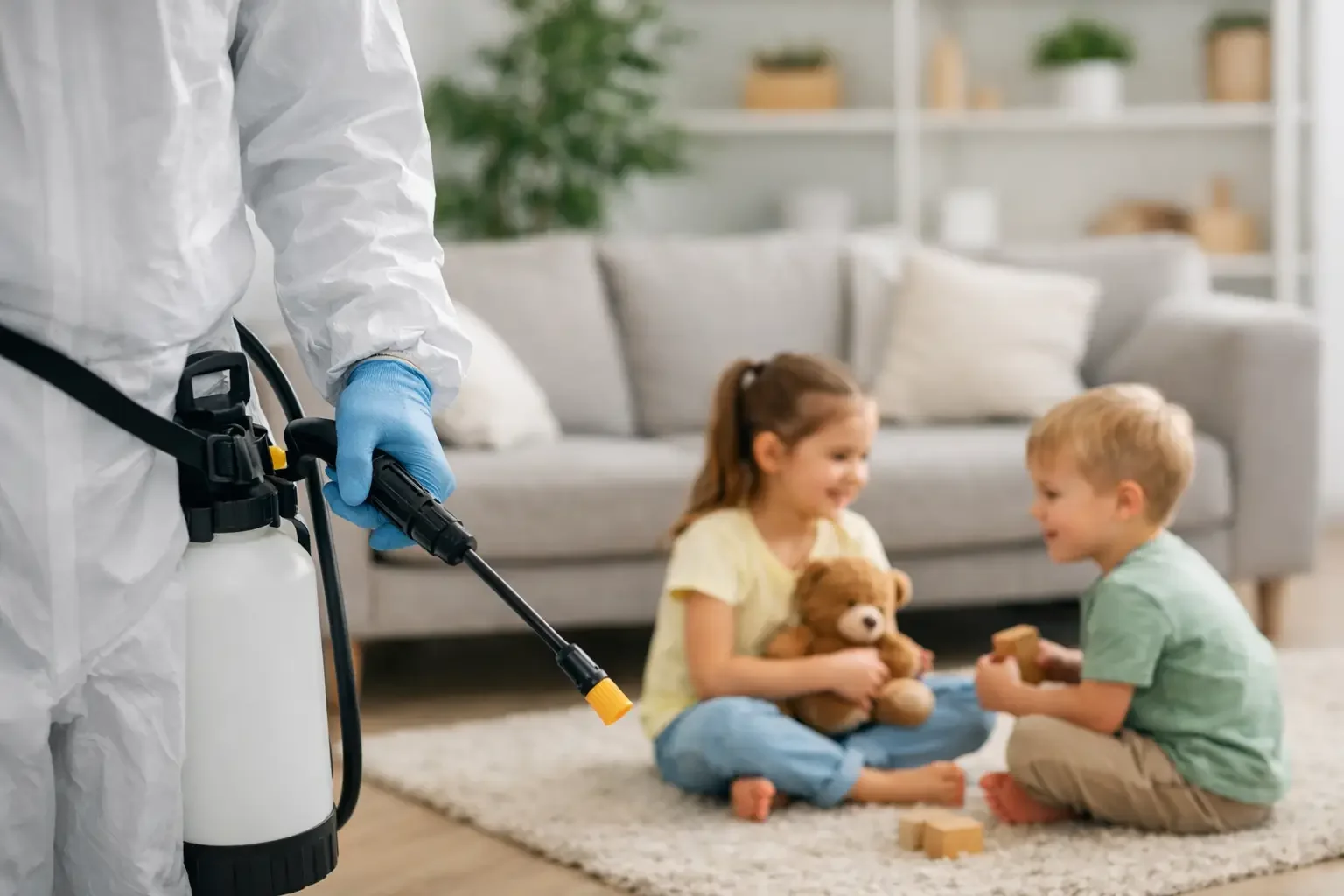
A toddler can find the one cracker crumb under the couch that nobody else noticed. Unfortunately, ants can too. When pests show up around a home with kids, the goal is not just to get rid of them quickly. It is to solve the problem without turning your kitchen, playroom, or backyard into a place that requires constant worry. This guide to child safe extermination explains what safer pest control actually looks like, where prevention fits in, and how to make smart choices when treatment is needed.
What Child Safe Extermination Really Means
“Child safe” should not mean someone sprays something and says, “Don’t worry about it.” It means the pest problem is identified correctly, the treatment is matched to the pest and location, exposure is minimized, and clear instructions are given before and after service.
No pest treatment is completely consequence-free if it is misused. Even natural products need to be used correctly and kept out of little hands. The practical goal is risk reduction: use the least intrusive effective method first, apply products only where they are needed, and avoid broad treatments in areas where children eat, crawl, sleep, and play.
That approach also tends to work better. A random can of bug spray may kill the ant you see, but it will not necessarily address the trail, nest, entry point, or moisture source bringing ants inside. The same goes for spiders, roaches, wasps, and rodents. Good extermination is targeted problem-solving, not simply using more product.
Start With Prevention Before Treatment
The safest pesticide is the one you never need to use. Pest prevention will not solve every infestation by itself, especially during a busy Utah ant, spider, or wasp season, but it can dramatically reduce pest pressure.
Begin with food, water, and access. Wipe up crumbs and spills, keep pantry foods in sealed containers, and do not leave pet food out overnight if possible. Empty indoor trash regularly, and rinse sticky cans before they go into recycling. These small habits matter most for ants, cockroaches, and mice, which are all looking for a dependable meal.
Then look at the exterior. Trim shrubs and tree branches away from the house, clear leaves and clutter from the foundation, and repair leaky faucets or irrigation issues. Make sure door sweeps are intact and seal gaps around utility lines, vents, and window frames. You do not need to make your home a fortress. You just want to stop making the easy entrance feel like an open invitation.
For mosquitoes, standing water is the main thing to watch. A forgotten bucket, clogged gutter, birdbath, or toy left upside down can become a breeding spot. Dump or refresh standing water regularly, especially after rain or heavy watering.
Choose the Right Method for the Pest
Child safe extermination is not one product or one magic phrase. The safest effective method depends on what pest you have, how serious the issue is, and where it is happening.
Ants and crawling insects
For ants, baiting is often more effective than spraying the visible trail. Properly placed bait lets workers carry the treatment back to the colony. The key word is properly. Bait should be inaccessible to children and pets, and it should not be placed casually on a countertop or floor.
For spiders and other perimeter pests, the best plan often focuses on exterior cracks, entry points, eaves, and foundation areas. A low-dose, targeted exterior application can reduce the number of pests trying to move indoors while limiting unnecessary indoor treatment.
Wasps and stinging insects
A single wasp flying through the yard is usually a backyard annoyance, not an emergency. A nest near a door, swing set, patio, or play area is different. Do not hand a teenager a can of aerosol and ask them to handle it from a ladder. Wasps can react fast, and a fall or multiple stings can create a much bigger problem.
Professional removal is usually the sensible choice when a nest is active, difficult to reach, or located near children. Keep kids and pets away from the area until it has been addressed.
Rodents
Mice and rats require a careful approach because they can contaminate food, leave droppings, and chew wires. Avoid loose poison inside a home with children or pets. Traps may be appropriate, but they need to be placed in secure, tamper-resistant locations where a child cannot reach them.
Rodent control also depends heavily on exclusion. If the gap under a garage side door is large enough for a mouse, removing one mouse will not end the issue. Find and close entry points while dealing with the current activity.
Be Careful With DIY Products
DIY pest control can be useful for minor, well-understood problems. A properly used sticky trap, a sealed food container, or a carefully placed bait station can go a long way. The trouble starts when homeowners combine products, overapply them, or use the wrong product for the pest.
Bug bombs and total-release foggers are a common example. They spread pesticide broadly through a space, often miss pests hiding in cracks, and leave residue on surfaces throughout the room. They can also create fire risks if used incorrectly. For most family homes, foggers are more hassle and exposure than they are worth.
Avoid mixing cleaners, insecticides, or home remedies. More is not better, and mixing products can create fumes or reactions you did not bargain for. Also skip social-media “hacks” that recommend putting loose powders, boric acid, or essential oils anywhere children can touch them. Natural does not automatically mean harmless, and a product that smells pleasant is not necessarily safe to ingest.
If you use any store-bought pest product, follow the label exactly. The label tells you where it can be applied, how much to use, whether the area needs to be vacant, and when children and pets can return. Do not guess at dilution rates or use an outdoor product indoors.
Prepare Your Home for Safer Professional Service
A reputable pest professional should explain what they found, what they plan to treat, and what you need to do before and after the visit. If someone cannot answer basic questions about the treatment location or reentry instructions, that is a fair reason to pause.
Before service, pick up toys, pet bowls, and outdoor play equipment from areas being treated. Move small furniture away from walls if an indoor crack-and-crevice treatment is planned. Cover or store food, and let the technician know about infants, pregnancy, allergies, pets, aquariums, and any child who has special health concerns.
After treatment, follow the technician’s instructions rather than a one-size-fits-all rule. In many cases, targeted treatments require little or no disruption. In others, you may need to wait until an application is dry or keep children out of a specific area for a stated period. Ask directly if you are unsure. Good service should never make you feel silly for asking.
Questions Worth Asking a Pest Control Company
When comparing providers, focus less on big promises and more on how they operate. Ask whether they offer targeted applications rather than routine indoor spraying, what indoor treatment options are available, and what happens if pests return between visits.
It also helps to ask whether pricing, retreatments, and cancellation terms are clear before you sign up. Pest control should solve a household problem, not create a contract problem. Families deserve to know what they are paying for and whether they can adjust service as seasons and pest activity change.
For homes in Weber, Davis, and Salt Lake counties, Safe Chem Pest offers family-safe, pet-friendly options, including fully organic indoor applications and targeted exterior service when appropriate. The goal is straightforward: treat the pest issue without making your family’s routine harder than it needs to be.
Know When the Problem Needs Faster Help
Some pest issues should not wait for a weekend project. Call for help promptly if you see signs of rodents in food areas, repeated cockroach activity, a wasp nest near a child’s play space, or a large number of ants appearing indoors every day. If a child has been stung and shows trouble breathing, swelling of the face or throat, widespread hives, dizziness, or vomiting, seek emergency medical care right away.
For product exposure, follow the product label and contact the appropriate poison-control resource or medical professional. Save the container so you can provide the exact product name and active ingredient if needed.
The best child-safe plan is usually the least dramatic one: block pests from getting in, remove what attracts them, and use focused treatment only where it earns its place. That gives kids more room to be kids - crumb-finding skills and all.