
A Guide to Seasonal Pest Prevention in Utah
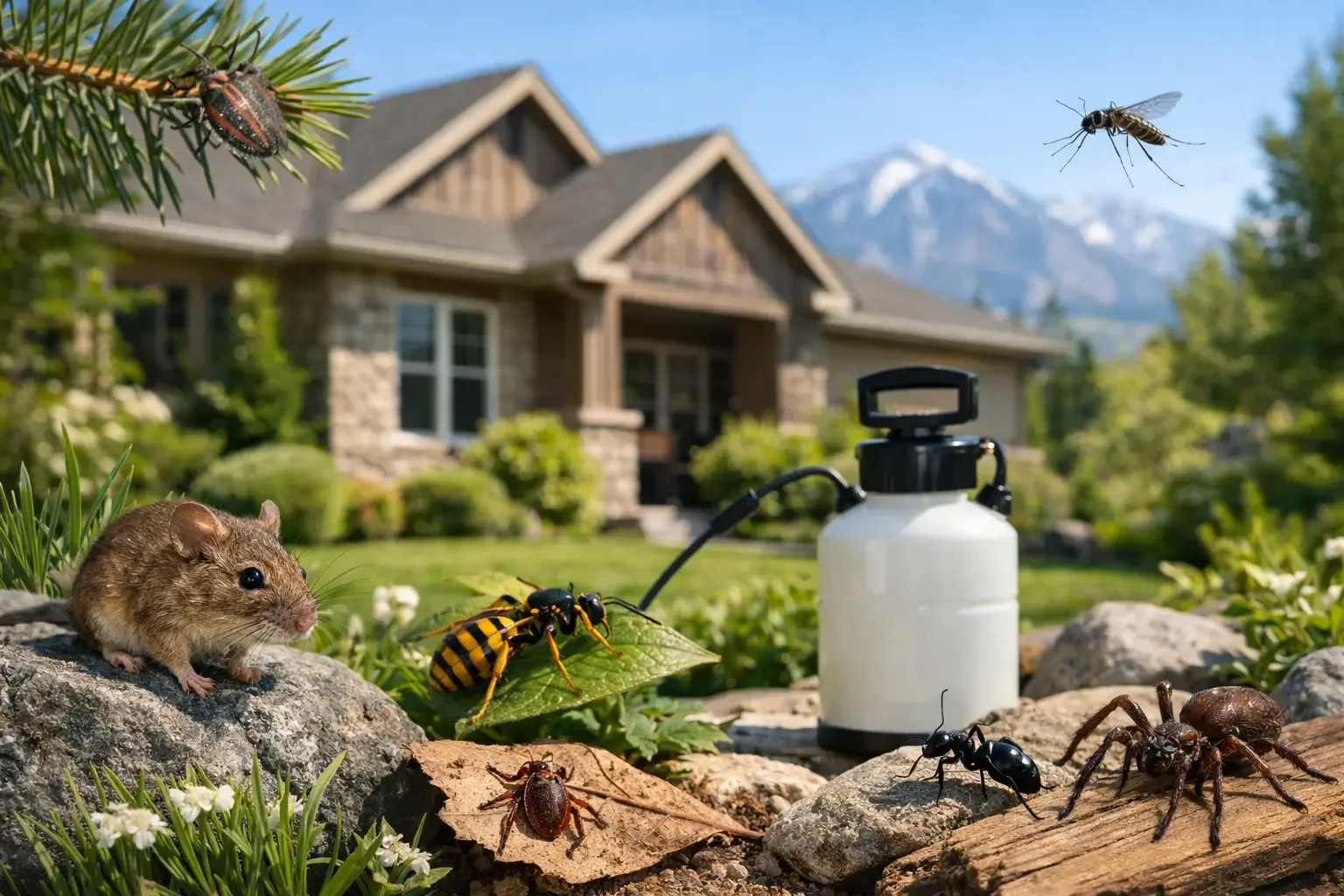
A warm February afternoon can bring ants to the kitchen weeks before spring feels official. A late-summer barbecue can turn into a mosquito swatting contest just as the food comes off the grill. Utah pests do not follow a calendar perfectly, which is why a guide to seasonal pest prevention works better than waiting until you have a full-blown problem.
The goal is simple: make your home, yard, and property less inviting before pests find an opening. You do not need to turn your house into a science project. A few well-timed habits, paired with professional treatment when needed, can prevent the most common seasonal surprises.
Why Pest Activity Changes With Utah’s Seasons
Utah’s temperature swings create different pest pressures throughout the year. In spring, insects become active as the ground warms and moisture increases. Summer brings spiders, wasps, mosquitoes, and active ant colonies. Fall sends rodents looking for warm, quiet places to nest. Winter is usually calmer outside, but pests already inside a wall, garage, or attic are not taking the season off.
Weather matters, too. A wet spring can increase ant and mosquito activity. Drought can push pests closer to irrigated lawns, garden beds, and shaded areas around the home. That is why one treatment schedule does not fit every property. A home with mature trees, a sprinkler system, pets, and a backyard patio has different pressure points than a townhome with little outdoor space.
Spring: Stop Pests Before They Settle In
Spring is when many homeowners first notice ants, spiders, earwigs, and occasional invaders around windows, basements, and foundations. It is also the right time to get ahead of wasp activity before a small nest becomes an unpleasant deck-side roommate.
Start outside. Clear leaves, branches, and stored items away from the foundation where possible. These areas hold moisture and provide cover for insects. Check that gutters drain away from the house and repair leaky hose bibs or irrigation heads. Ants and other pests do not need much water to make a location worth visiting.
Inside, pay attention to the unglamorous details: worn weatherstripping, gaps around utility lines, torn screens, and loose door sweeps. Sealing entry points will not eliminate every pest, but it reduces the easy traffic routes. Think of it as asking pests to use the front door, then refusing to answer it.
Spring is also a smart time for a professional exterior treatment. Treating likely entry points, foundation areas, and pest harborage zones early can reduce activity before colonies and populations ramp up. If indoor treatment is needed, ask about options that fit your household. Families with kids and pets often prefer fully organic indoor applications alongside targeted, low-dose exterior treatments.
Watch for Early Wasp Activity
Paper wasps and other stinging insects often begin building small nests in protected areas such as eaves, porch ceilings, sheds, grills, and play structures. A small nest is much easier to address than a large, active one in July. Do not knock down a nest if you are unsure what type of insect is using it or if it is in a difficult location. Stings are a lousy reward for a Saturday chore.
Summer: Protect the Yard Where Life Happens
Summer pest prevention is mostly about outdoor comfort. Ants may forage indoors, spiders become more visible around lights and landscaping, wasps defend established nests, and mosquitoes take advantage of standing water. The backyard should be where you relax, not where you inspect everyone for bites.
Mosquito prevention starts with water management. Walk the property after irrigation or rain and empty water from plant saucers, toys, wheelbarrows, tarps, clogged gutters, and other containers. Even small amounts of standing water can matter. Keep lawns trimmed and reduce dense vegetation near patios and walkways when practical, since mosquitoes rest in cool, shaded areas during the day.
That said, homeowner cleanup has limits. Properties near water, with heavy shade, or with consistently irrigated landscaping may need recurring mosquito control for meaningful relief. Targeted treatments around resting areas and the perimeter can make outdoor spaces more usable, especially before the peak of mosquito season.
For ants and spiders, keep mulch, shrubs, and tree branches from touching the house. Vegetation that presses against siding can become a pest highway. Store firewood away from the home and off the ground when possible. Outdoor lights can attract insects, which then attract spiders, so consider reducing unnecessary exterior lighting near doors and windows.
If you are already seeing ants indoors, avoid relying only on random store-bought sprays. Spraying visible ants may kill a few workers while leaving the colony active elsewhere. The right approach depends on the species, where they are entering, and whether moisture or food is drawing them in. A quick inspection can save a lot of trial-and-error purchases.
Fall: Make Your Home Harder for Rodents to Enter
As nighttime temperatures drop, mice and other rodents begin looking for shelter, food, and nesting material. Garages, crawl spaces, basements, attics, and storage areas are common targets. A mouse can fit through a gap that looks far too small to matter, so fall prevention is largely about exclusion.
Inspect the exterior at ground level first. Look around pipes, vents, cable lines, garage doors, and foundation cracks. Repair damaged screens and make sure vent covers are secure. Weatherstripping on garage doors is especially useful because garages often offer a quiet path to the rest of the home.
Clean up food sources as well. Store birdseed, pet food, and bulk pantry items in sealed containers. Pick up fallen fruit when possible, and avoid leaving pet bowls outside overnight. Rodent prevention is not about achieving laboratory-level cleanliness. It is about making your property less convenient than the next available option.
Trees deserve a look in fall, too. Branches that overhang the roof can give squirrels and other wildlife a direct route to your home. Trimming should be done carefully and with the health of the tree in mind. If wildlife is already in an attic, wall void, or chimney area, do not simply seal the opening and hope for the best. Proper removal and exclusion need to happen in the right order.
Winter: Inspect, Monitor, and Fix the Small Stuff
Winter is a good time to address pest issues that were easy to ignore during busier months. You may notice spider webs in the garage, rodent droppings in storage areas, or signs of insects near warm utility spaces. These clues are useful. They show where a pest may be traveling or nesting.
Keep storage organized and avoid stacking cardboard directly against walls for long periods. Cardboard creates protected hiding places, particularly in garages and basements. Check holiday decorations and stored patio items before bringing them inside, since spiders and insects can hitch a ride without much effort.
Winter also gives you time to plan for the property as a whole. If your lawn needs weed control and fertilization, your trees need protection, and pests return every spring, combining services can be more practical than treating each issue as a separate emergency. At Safe Chem Pest, customers can bundle pest, mosquito, lawn, and tree services for a 10% discount on two services or 15% on three or more. Annual payment can add another 10% savings. The best package still depends on what your property actually needs, not on piling on services you will never use.
A Seasonal Pest Prevention Checklist That Actually Helps
A good prevention routine is not about doing everything at once. It is about doing the right things before each season changes. Prioritize these property basics throughout the year:
Keep food, garbage, birdseed, and pet food secured.
Reduce standing water and fix outdoor leaks.
Seal gaps around doors, windows, vents, and utility penetrations.
Keep vegetation, mulch, and stored materials from crowding the foundation.
Check eaves, sheds, garages, and play areas for early wasp nests.
Watch for rodent signs in garages, basements, attics, and storage areas.
If a task is not realistic for your property, focus on the highest-impact areas first. For example, a heavily landscaped yard may never be free of every insect, and that is fine. The practical goal is to keep pests from becoming a recurring indoor problem or making your outdoor space uncomfortable.
When Prevention Needs Professional Help
Call for an inspection when you see repeated indoor ant trails, active wasp nests, recurring spiders, mosquito pressure that makes the yard unusable, or any sign that rodents or wildlife may be entering the structure. Repeated sightings usually mean there is a condition worth finding, not just a bug worth spraying.
A straightforward pest provider should explain what they found, what treatment makes sense, and what it costs before work begins. You should not need a long contract or a mystery fee to protect your home. For homeowners in Weber, Davis, and Salt Lake counties, seasonal service can be especially useful because treatment is adjusted as local pest activity changes.
The best time to prevent a pest problem is when it is still small enough to be boring. A quick walk around the property this week can spare you from sharing your kitchen, patio, or attic with uninvited guests later.