
How to Prevent Boxelder Bugs Around Your Home
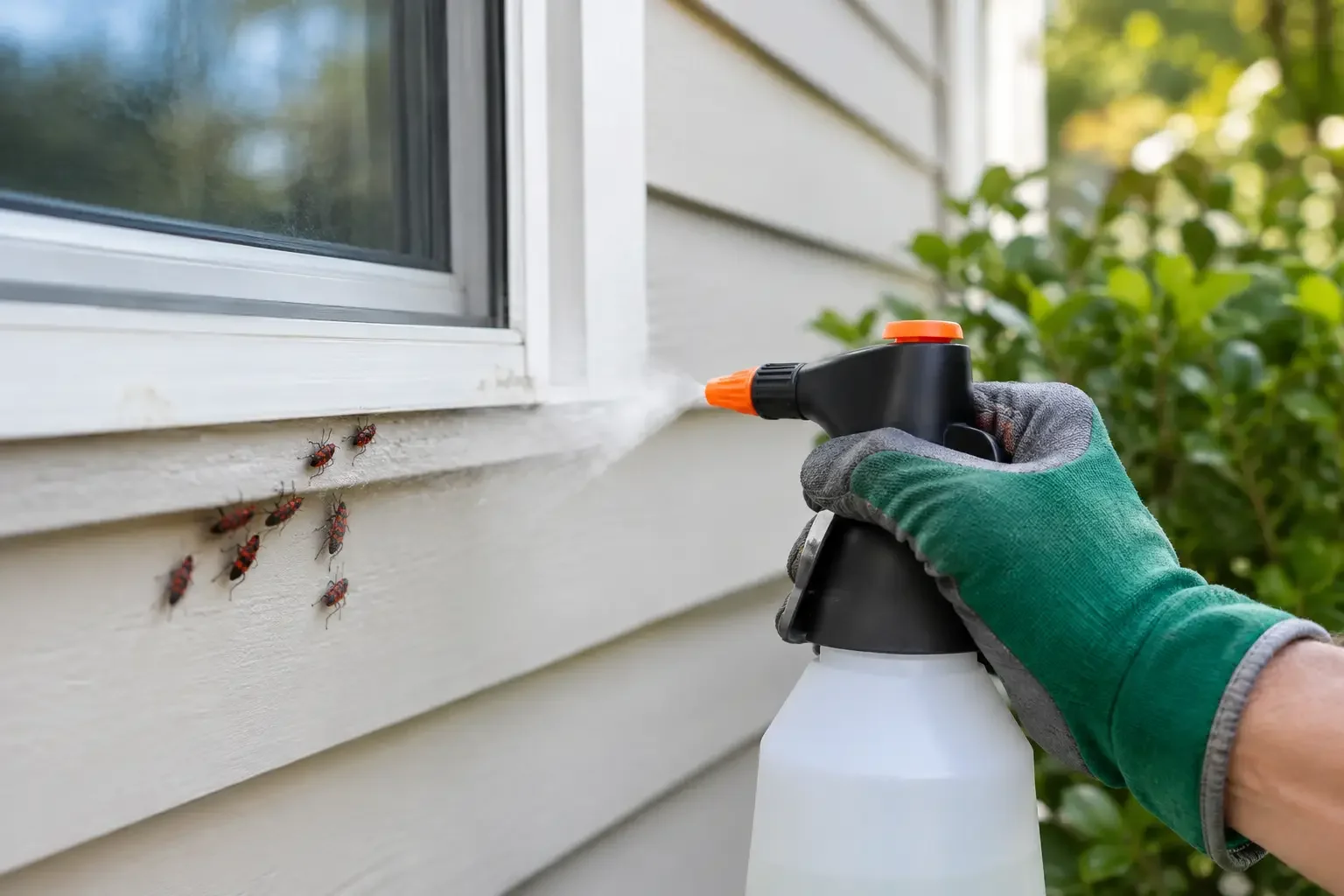
Those black-and-red bugs gathering on the sunny side of your house are not trying to move in permanently, but they are definitely looking for a warm place to wait out winter. The good news is that you can prevent boxelder bugs from becoming a seasonal indoor nuisance without turning your home into a chemistry experiment. The key is getting ahead of them before cool fall weather sends them searching for cracks, gaps, and open doors.
Boxelder bugs are mostly a frustration, not a dangerous pest. They do not bite people, spread disease, or damage the structure of your home. Still, hundreds of them clustered around windows, siding, and light fixtures can make a house feel less welcoming. And once they find a way inside, they tend to show up in the least convenient places: window tracks, basements, light fixtures, and bedrooms.
Why Boxelder Bugs Gather Around Utah Homes
Boxelder bugs feed primarily on boxelder trees, though they may also feed on maples and ash trees. They are easy to recognize by their dark bodies and reddish-orange lines. During spring and summer, they live outdoors around host trees and generally stay out of sight.
The trouble starts in late summer and fall. As temperatures cool, adults leave the trees and gather on warm, sun-facing exterior walls - especially south and west walls. Light-colored siding, brick, stone, and areas around windows often become their favorite hangout spots. They are not necessarily attracted to a dirty home or a neglected yard. They are following warmth and looking for protected overwintering sites.
Once they squeeze into a gap around siding, trim, vents, windows, or utility lines, they may stay inside wall voids all winter. On warm winter days or early spring days, they can emerge indoors. That is why a few bugs in October can turn into a surprise parade near a window in February.
How to Prevent Boxelder Bugs Before Fall
The most effective prevention is exclusion. In plain English: make it harder for bugs to get into the house in the first place. Spraying can help reduce activity, but it cannot make up for a wide-open gap under a door or a torn screen.
Seal the small openings that bugs use
Boxelder bugs can fit through surprisingly small spaces. Walk around your home in late summer and pay special attention to areas where different building materials meet. Look at window frames, door frames, siding edges, utility penetrations, dryer vents, cable lines, fascia boards, and foundation gaps.
Replace worn weatherstripping and damaged door sweeps. Caulk visible gaps around windows, trim, pipes, and exterior fixtures with an appropriate exterior-grade sealant. Repair torn window screens, and make sure attic, crawlspace, and foundation vents have intact screening. If you can see daylight around a door, bugs can probably see an invitation.
Do not seal drainage openings in windows or block vents that need airflow. The goal is to close pest entry points without creating a moisture or ventilation problem. If you are unsure whether a gap should be sealed, it is worth getting a professional inspection rather than guessing with a tube of caulk.
Reduce their favorite resting spots
Boxelder bugs often gather where a home stays warm and sheltered. Keep leaf piles, stacked lumber, dense weeds, and stored items away from the foundation when possible. This will not eliminate bugs from the neighborhood, but it reduces protected places near the house where pests can linger.
Pay attention to trees close to exterior walls. A boxelder tree near the home can support larger populations, but removing a healthy tree is rarely the first or best answer. Trees provide shade, value, and habitat. If a tree is unhealthy, overgrown, or creating repeated pest pressure against the house, a tree-care professional can help you weigh pruning, treatment, or removal based on the actual condition of the tree.
Outdoor lighting can also concentrate insects around entry points. You do not have to sit in the dark, but consider using warmer-colored bulbs near doors and keeping unnecessary exterior lights off during peak bug activity.
Use exterior treatment at the right time
If boxelder bugs return every fall, an exterior treatment can reduce the number gathering on your home. Timing matters. Treatment is most useful before large groups have found their way into cracks and wall voids, usually in late summer or early fall as activity begins to build.
A targeted exterior application focuses on likely entry zones: around windows and doors, beneath siding edges, along foundation areas, near soffits, and on sun-facing walls where bugs congregate. The goal is not to soak every inch of the yard. A thoughtful treatment uses the least amount needed in the places where it can actually help.
Indoor spraying is usually not the answer for boxelder bugs. Once they are inside walls, broad indoor applications may not reach them and can add unnecessary exposure in living spaces. Safe Chem Pest uses family-conscious indoor options and targeted exterior treatments because prevention should solve a problem, not create a new one.
What to Do When Boxelder Bugs Are Already Inside
If only a few bugs have made it indoors, a vacuum is usually the simplest solution. Use a hose attachment to collect them from window tracks, baseboards, and walls, then empty the vacuum bag or canister outside. Avoid crushing them on light-colored walls, curtains, or furniture. They can leave behind a stain and an unpleasant odor when disturbed.
Skip the temptation to spray bugs directly with random household products. Soap solutions, cleaners, and aerosols can discolor surfaces, damage finishes, or leave residue without solving the entry problem. Killing the visible bugs may feel satisfying for about five minutes, but sealing the route they used is what prevents the next round.
For a larger indoor appearance, think back to where the bugs are concentrated. Bugs around one specific window, ceiling fixture, or exterior-facing wall often point to an opening nearby. A pest professional can identify likely entry areas and recommend treatment only where it makes sense.
Common Boxelder Bug Prevention Mistakes
Waiting until bugs are covering the siding is the most common mistake. At that point, many have already found sheltered gaps around the home. Prevention works better when it starts before the first big fall cluster appears.
Another mistake is treating the lawn as though it is the source. Boxelder bugs are associated with nearby trees and buildings, not turf damage. Lawn care is still valuable for a healthy yard, but lawn insect treatment is not a replacement for sealing entry points and addressing exterior activity on the house.
Finally, do not assume one treatment means you can ignore maintenance forever. Weatherstripping wears out, caulk cracks, screens get damaged, and Utah's temperature swings can expose new gaps over time. A quick exterior check each year is far easier than sharing your windowsills with a winter bug convention.
When Professional Help Makes Sense
Call for help when boxelder bugs return in large numbers each fall, appear repeatedly indoors, or collect in hard-to-reach areas around upper stories, soffits, and exterior trim. A professional inspection can separate boxelder bug activity from other pests and identify the gaps that are easy to miss from ground level.
For homeowners and property managers in Weber, Davis, and Salt Lake counties, the best plan is usually simple: inspect the exterior before fall, seal the obvious openings, and use a targeted treatment if your property has a history of heavy activity. You should not need a long contract or a high-pressure sales pitch to get that done.
A few boxelder bugs outside are part of the season. Hundreds inside do not have to be. Take care of the entry points now, and your home can stay warm for the people and pets who actually belong there.