
A Guide to Organic Lawn Care for Utah Yards
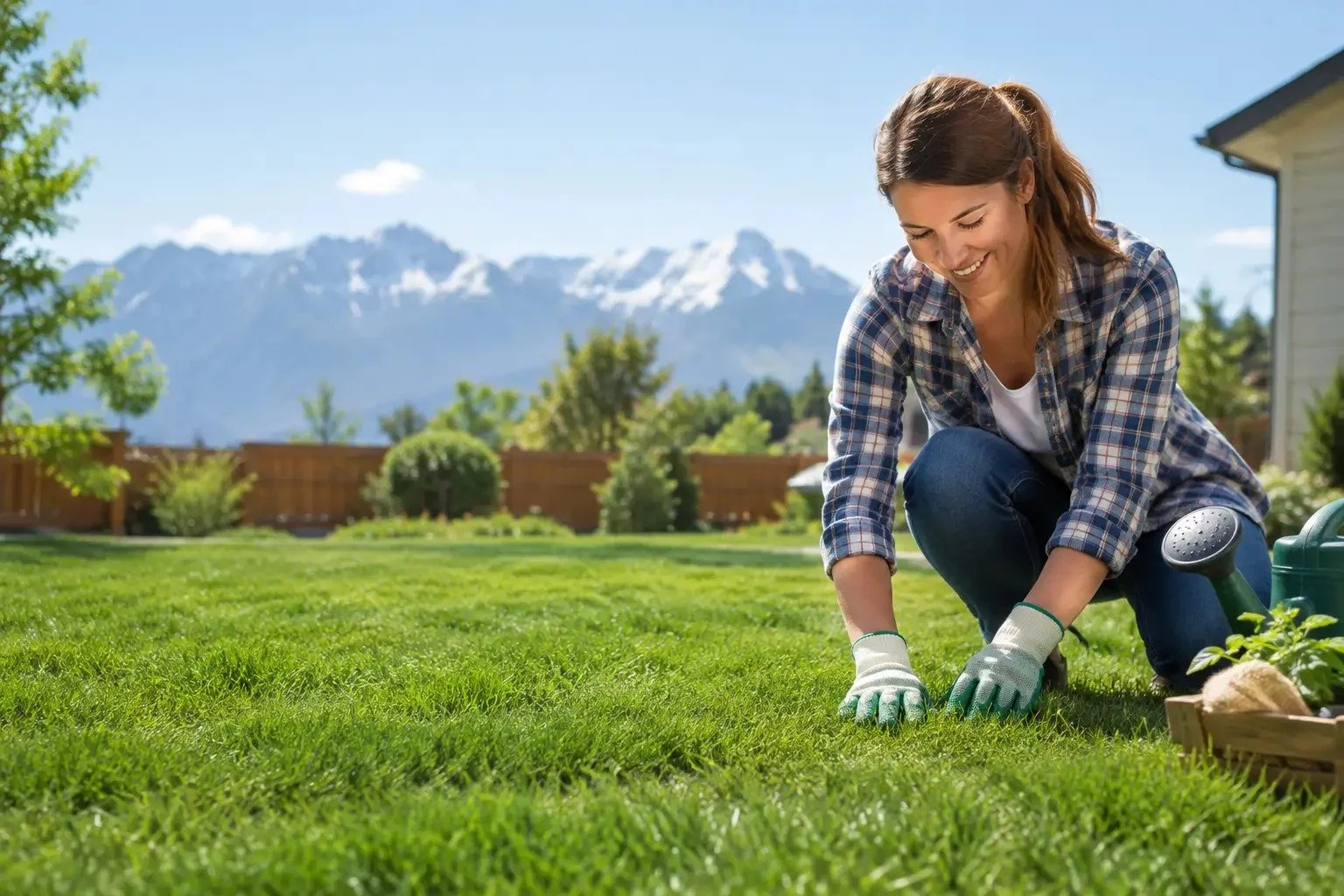
A lawn in Utah has a lot to put up with: alkaline soil, dry summers, spring weeds that seem to appear overnight, and kids or dogs who do not care that you just spread seed. This guide to organic lawn care focuses on the practical stuff that helps grass grow stronger without treating every brown spot or dandelion like an emergency.
Organic care is not magic, and it is not a promise that weeds will vanish by Tuesday. It is a system built around healthier soil, better mowing and watering habits, and targeted action when a problem actually needs attention. Done well, it can create a lawn that handles heat, foot traffic, and pests with less drama.
What Organic Lawn Care Actually Means
Organic lawn care starts with feeding the soil rather than forcing quick top growth with high-salt synthetic fertilizers. It relies on materials such as compost, natural soil amendments, and slow-release organic nutrients to improve the conditions around grass roots.
That does not mean every product labeled “natural†is automatically right for your yard. A good plan still considers the grass type, the season, the soil, and the actual problem. Overapplying even an organic fertilizer can waste money, encourage weak growth, and create runoff concerns.
For most Utah homeowners, the goal is simple: build a dense, deeply rooted lawn that gives weeds fewer openings and needs less rescue work through the summer.
Start With Soil, Not a Shopping Cart
Many lawn problems are really soil problems wearing a grass costume. Compacted soil, poor drainage, low organic matter, or an off-balance pH can keep grass from using water and nutrients efficiently. Adding more fertilizer without addressing those conditions is a little like adding more paint to a wall with a leak behind it.
A basic soil test is the smartest first step if your lawn struggles year after year. It can show pH, nutrient levels, and organic matter so you are not guessing. Utah soils often run alkaline, so avoid trying to change pH dramatically without test results. Big swings can create new problems and may not be necessary for a healthy lawn.
Compost is one of the most useful tools in an organic program. A light topdressing in spring or fall can improve soil structure and add beneficial organic matter. Keep it modest - roughly a thin layer spread evenly over established turf. Thick piles can smother grass rather than help it.
Aeration also deserves attention, especially in yards with clay-heavy soil, frequent foot traffic, or standing water after irrigation. Core aeration creates channels for air, water, and roots. Fall is often an excellent time to aerate cool-season lawns in northern Utah, although timing depends on weather and lawn condition.
Mow Higher for Healthier Grass
If you make only one change this season, raise the mower deck. Taller grass shades the soil, reduces evaporation, and makes it harder for weed seeds to get enough light to establish. It also develops a stronger root system than grass routinely scalped short.
For many cool-season lawns, a mowing height around 3 to 4 inches works well during the growing season. Do not remove more than one-third of the grass blade in a single mowing. If your lawn got away from you during a busy week, lower it gradually over a couple of mowings instead of hacking it down all at once.
Leave short grass clippings on the lawn when possible. They return nutrients and organic matter to the soil, and they do not cause thatch when the lawn is mowed correctly. Thatch is mostly a buildup of stems and roots, not a few clippings doing their best to stay out of the yard-waste bin.
Water Deeply, Not Constantly
Frequent shallow watering trains roots to stay close to the surface, where Utah heat can stress them quickly. Deep, less-frequent watering encourages roots to reach farther down, helping the lawn tolerate dry periods better.
The exact schedule depends on grass type, soil, rainfall, shade, sprinkler coverage, and local watering rules. As a general approach, water early in the morning and apply enough water to moisten the root zone before the next irrigation cycle. Let the surface dry somewhat between waterings rather than keeping it constantly damp.
Check your sprinkler system before blaming the lawn. A dry strip beside a driveway, soggy patch near a sprinkler head, or pale circles around trees often point to coverage issues. A simple catch-can test using identical containers can reveal whether different areas are getting dramatically different amounts of water.
During extreme summer heat, lawns may look tired even with good watering practices. Avoid piling on fertilizer or herbicide when grass is heat-stressed. Focus on proper irrigation and wait for cooler conditions before making major corrections.
A Practical Guide to Organic Lawn Care and Fertilizing
Organic fertilizers generally release nutrients more slowly than conventional products. That can be a benefit because it supports steadier growth and reduces the urge to mow every other day. The trade-off is that results may not look instant, particularly in cool soil when microbial activity is low.
Choose a product appropriate for lawns and apply it according to the label and your soil test. Spring and fall are commonly the best feeding windows for cool-season turf. Fall feeding is especially valuable because it supports root development heading into winter and can help the lawn green up more evenly the following spring.
Do not fertilize simply because the calendar says so. A lawn that is stressed, newly seeded, dormant, or suffering from a disease issue may need a different approach. If you are unsure, start with a soil test and a conservative application rather than treating the whole yard like it needs a buffet.
Control Weeds by Closing the Gaps
Weeds are opportunists. They show up where turf is thin, soil is bare, irrigation is uneven, or mowing is too short. The best organic weed control is usually a thicker lawn.
For scattered broadleaf weeds, hand-pulling is often the cleanest solution, especially after watering when roots release more easily. Use a tool that removes as much of the taproot as possible. Pulling a few weeds every week is much easier than facing a full-yard takeover in late spring.
Pre-emergent products can help prevent certain annual weeds, but timing matters and some products can interfere with grass seed germination. If you plan to overseed, read labels carefully and choose your sequence wisely. You cannot ask seed to germinate and then use a product designed to prevent germination. The lawn will find that mixed message confusing too.
Organic spot treatments may help with young weeds, but they are not automatically selective. Some burn whatever green plant tissue they touch, including your grass. Use them carefully, avoid windy days, and reserve broad applications for situations where they genuinely make sense.
Seed Thin Areas at the Right Time
Overseeding is one of the best ways to improve a thin lawn without relying on aggressive weed treatments. In much of northern Utah, late summer into early fall is a strong window because warm soil helps seed germinate while cooler air reduces stress.
Prepare bare or thin areas first. Loosen the top layer of soil, remove debris, and make sure seed has good contact with the ground. Keep newly seeded areas consistently moist until germination, then gradually transition to deeper, less-frequent watering as the grass establishes.
Choose grass seed suited to your yard. Sunny, high-traffic areas may need a different blend than a shady side yard. If a spot repeatedly fails because it receives very little sun or gets worn down by pets, a groundcover, mulch bed, or adjusted landscape design may be more realistic than reseeding the same patch every year.
Watch for Lawn Pests Without Overreacting
Not every insect in the grass is a lawn pest. Healthy lawns contain plenty of small creatures, many of which are harmless or helpful. The question is whether you see actual damage: thinning turf that lifts easily, chewed roots, irregular dead patches, or a growing animal presence digging for grubs.
Before treating, confirm what is causing the problem. Heat stress, poor irrigation, fungal disease, pet urine, and grub damage can look similar from across the yard. A targeted treatment is usually better for your lawn, your budget, and the beneficial organisms already doing their work.
If weeds, pests, or soil issues are beyond a weekend project, getting a local lawn professional to assess the cause can save a lot of trial-and-error applications. Safe Chem Pest offers lawn care alongside pest, mosquito, and tree services, with straightforward options for homeowners who prefer help without a long-term contract.
Keep Expectations Honest
An organic lawn can be green, thick, and enjoyable without looking like a golf-course photo shoot every day of the year. A few weeds may appear. Summer heat may dull the color temporarily. The goal is a resilient yard that works for your family, not a lawn that requires constant intervention to look perfect for fifteen minutes.
Pay attention to how your yard responds over a full season. Improve one or two habits, such as mowing higher and fixing irrigation coverage, before adding more products. Small, consistent choices give soil and turf time to do what they are supposed to do: grow a lawn that feels good under bare feet and does not demand your whole Saturday.