
Are Pest Treatments Safe for Pets?
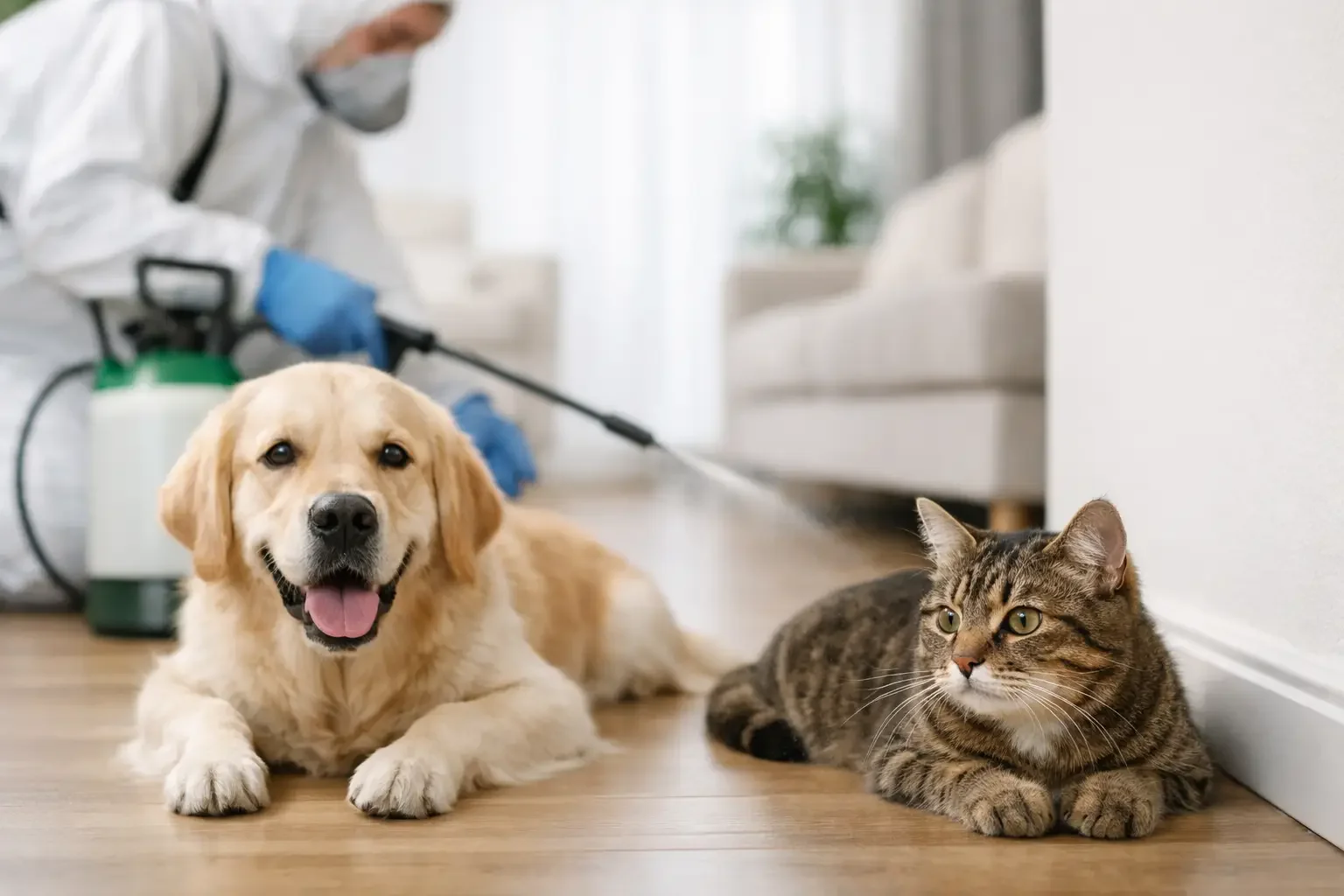
If your dog licks the floor five minutes after a pest treatment or your cat treats every windowsill like a personal runway, this question gets real fast: are pest treatments safe for pets? The honest answer is yes, many are - when the treatment is chosen carefully, applied correctly, and matched to the space. The problem is not every pest control plan is built with pets in mind, and not every company explains the difference.
That is where homeowners usually get stuck. They want the ants gone, the spiders out, and the wasps nowhere near the back patio. They also do not want to worry that the fix is worse than the problem. Fair concern.
Are pest treatments safe for pets in real homes?
Most modern pest treatments can be used safely around pets, but safety depends on more than the label saying pet friendly. It comes down to what is being used, where it is being applied, how much is applied, and whether the product is dry or still active on a surface your pet can touch.
For example, a low-dose exterior treatment placed around the foundation is a very different situation than a broad indoor spray across floors, baseboards, and furniture. A crack-and-crevice treatment behind appliances is different from a fogger filling an entire room. A bait locked inside a tamper-resistant station is different from loose pellets scattered where a curious dog can find them. Same industry, very different risk levels.
That is why the best answer is not a blanket yes or no. It is more like this: pest treatments are generally safe for pets when the plan is targeted, the technician follows the label exactly, and you get clear instructions for before and after service.
What makes one treatment safer than another?
The safest pest control is usually the kind that uses the least amount of product in the most strategic places. More chemical is not automatically better. In fact, smart pest control often means using less product and getting better results because it is placed where pests travel, nest, or enter.
Indoor treatments tend to raise the most pet questions, and for good reason. Pets live low to the ground. They sniff corners, lick paws, and roll around in places humans barely notice. That is why many homeowners prefer organic indoor options or highly targeted interior applications only when needed. If a service provider is willing to treat indoors with a lighter touch instead of making your house smell like a science experiment, that is usually a good sign.
Exterior treatments are often easier to manage from a pet-safety standpoint because they can be focused around entry points, eaves, and the perimeter rather than the places your pets sleep and play. Once dry, many professional products present a much lower exposure risk than people assume. That said, dry time matters, and so does placement.
A company that talks plainly about all of this is usually the company worth trusting.
The biggest pet safety factors most people miss
A lot of homeowners focus only on the product name. That matters, but it is not the whole story. Application method is just as important.
Liquid treatments can be very safe when applied in tight, controlled areas and allowed to dry fully before pets return. Baits can be an excellent low-exposure option for certain pests, but only if they are placed where pets cannot access them. Dusts can work well in wall voids and attic spaces, though they should never be left where pets can contact them. Rodent control deserves extra caution because some products can create serious risk if a dog or cat gets into them directly.
Then there is behavior. A calm older dog that stays off treated areas is not the same as a puppy that eats mulch, licks patio edges, and investigates everything with full commitment. Cats are their own category entirely. They are especially sensitive to certain ingredients and are much more likely to jump onto treated surfaces that people forget about, like window ledges, garage shelves, and the tops of baseboards.
So when asking are pest treatments safe for pets, the better question is often, is this specific treatment safe for my specific pet?
Questions worth asking before service
You should never feel awkward asking detailed pet-safety questions. A good pest company should be able to answer them clearly without hiding behind vague promises.
Ask whether the treatment is interior, exterior, or both. Ask where products will be placed. Ask how long pets should stay out of treated areas. Ask whether there are organic indoor options or reduced-use approaches. If you have birds, reptiles, fish, or small animals, mention that too. Aquariums, for example, need special care during some treatments.
If the answer you get is basically, "Oh, it is totally fine," with no specifics, keep asking. Safe service should come with real instructions, not just a shrug and a smile.
Common pest treatments and what pet owners should know
For ants, spiders, and general crawling insects, targeted exterior barrier treatments and limited indoor crack-and-crevice applications are often a practical, lower-exposure approach. This is one reason recurring pest service makes sense for many families. Preventing infestations on the outside usually means less need to chase bigger problems indoors later.
For wasps, treatments are typically applied directly to nests or nesting zones rather than broad living areas. Pets should be kept away until the area is dry and the nest activity is under control. That is especially true if your dog thinks chasing stinging insects is a hobby.
For mosquitoes, yard treatments can help a lot, but timing matters. Pets should stay off treated grass and foliage until everything has dried. If you also have lawn care or tree service, coordinated scheduling can make the whole property easier to manage without constant disruption.
For rodents, this is where extra caution matters. Tamper-resistant bait stations placed professionally are much safer than loose products from a hardware store. Snap traps and exclusion work can also reduce reliance on bait. If you have pets, especially dogs with strong opinions about chewing plastic boxes, this is worth discussing in advance.
Are organic or natural treatments always safer?
Not automatically. Natural does not always mean harmless, and synthetic does not always mean dangerous. Some essential oils and plant-based ingredients can still irritate pets, especially cats. What usually matters most is whether the treatment is appropriate for the pest, professionally applied, and used in the smallest effective amount.
That said, many homeowners understandably prefer organic indoor treatment options when possible. It is a reasonable choice, especially in homes with pets, kids, or people who are sensitive to odors. The key is making sure the treatment still works. A safer plan that does nothing for the infestation just turns into repeat exposure and repeat frustration.
The sweet spot is a balanced plan - use low-dose, targeted solutions outside, reserve indoor treatment for what is actually needed, and favor products and methods that fit the household.
Preparing your home before treatment
A little prep goes a long way. Move pet bowls, toys, and bedding away from treatment areas. Keep litter boxes and crates out of the path if interior service is scheduled. If your pet has access to the yard, ask which gates, lawn zones, or patio areas should stay off-limits until dry.
If you have a cat that hates closed doors or a dog that believes every technician is their new best friend, it is usually easier to keep them in a separate room or leave for a bit during service. Less chaos for everyone.
After treatment, follow the instructions exactly. Dry time is not a suggestion. If the company says two hours, give it two hours. If they say to avoid a section of the yard until evening, do that. Most problems happen when people assume close enough is good enough.
What good pest control sounds like
Pet-safe pest control should sound specific, calm, and practical. It should include clear answers, realistic expectations, and no pressure. It should not require you to sign a long contract just to get your questions answered.
At Safe Chem Pest, that practical approach matters. Families want straightforward pricing, retreatment options that are actually included, and treatment plans that make sense for homes with pets. They also want to know they can bundle pest, mosquito, lawn, and tree services for extra savings without turning their property into a scheduling circus. Fair enough.
If you are comparing companies, look for one that treats pet safety as part of the plan, not a footnote at the end.
The best pest treatment for a pet-friendly home is usually not the strongest one on the shelf. It is the one that solves the pest problem with the least unnecessary exposure, clear instructions, and a company willing to explain what they are doing in plain English. That is the kind of service that lets you stop worrying about the floor, the yard, and whether your dog just licked something weird again.