
Does Organic Pest Control Work?
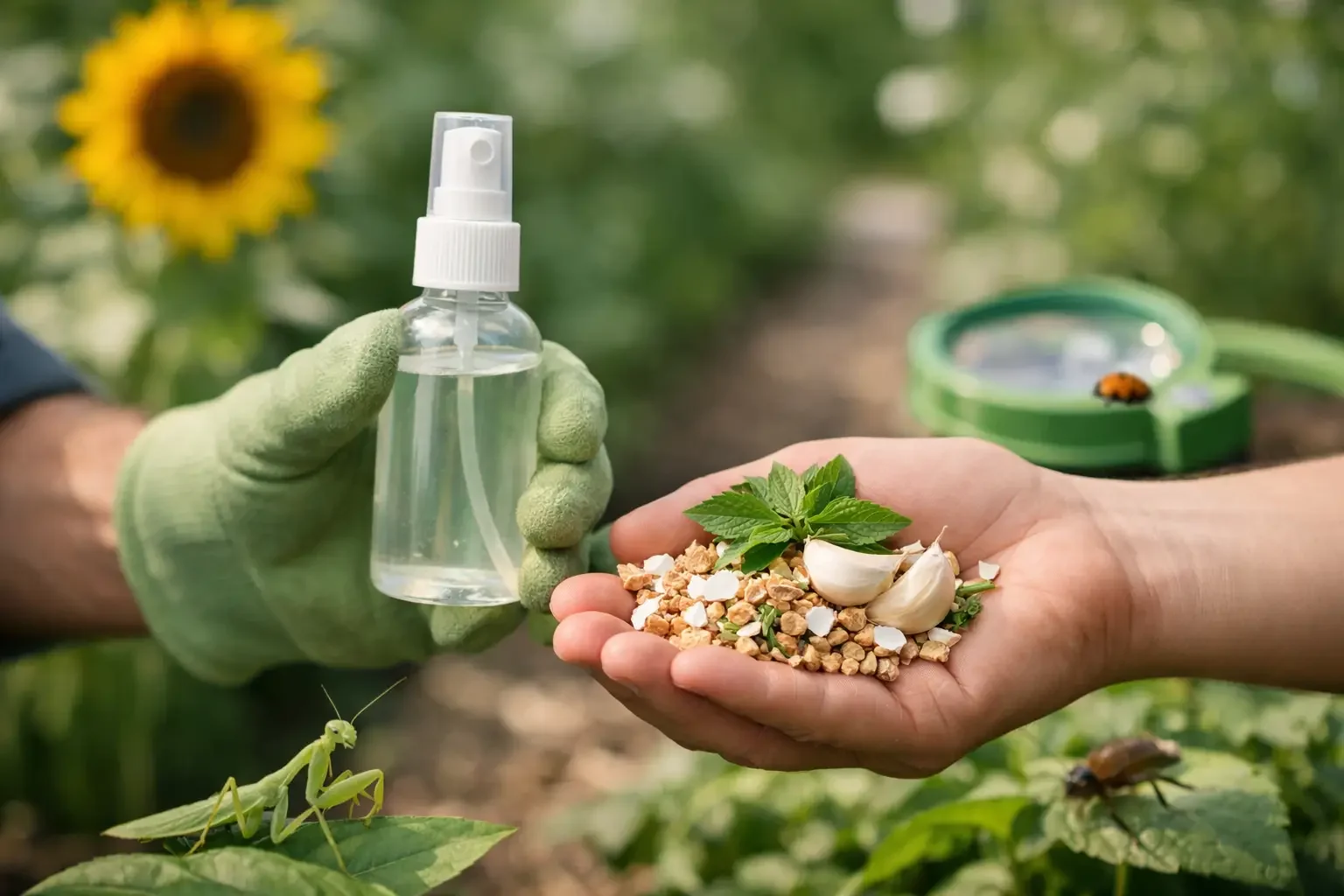
If you’ve ever watched ants reappear two days after a spray treatment, it’s fair to ask: does organic pest control work, or is it just nicer-sounding pest control with weaker results? The honest answer is yes, it can work very well - but not in every situation, not against every pest, and not with the same game plan as conventional treatments.
That’s the part people deserve to hear upfront. Organic pest control is not magic, and it’s not useless either. It works best when the pest problem, the treatment method, and the expectations all line up.
Does organic pest control work for everyday pests?
For a lot of common household pests, yes. Organic pest control can be very effective for ants, spiders, some crawling insects, and even certain indoor nuisance pests when the products are applied correctly and the source of the issue is addressed.
The key phrase there is applied correctly. Organic products often rely on direct contact, disruption of the pest’s body systems, or short residual activity instead of long-lasting blanket chemistry. That means placement matters more. Timing matters more. Follow-up matters more.
If a homeowner is dealing with occasional ants in the kitchen, spiders around baseboards, or earwigs sneaking in from outside, organic methods can absolutely be part of a solid treatment plan. If the problem is lighter, seasonal, or caught early, results are often very good.
Where people get disappointed is when they expect one organic treatment to perform like a heavy conventional treatment in a severe infestation. That is usually where frustration starts.
Why organic pest control sometimes works great - and sometimes doesn’t
Pest control is never one-size-fits-all. Organic options tend to do especially well in situations where the treatment can target active areas directly and where the pest pressure is manageable.
For example, if insects are entering through known gaps, nesting near the home, or gathering in predictable places, a technician can often use organic products and exclusion steps to get strong results. But if the issue is widespread, hidden deep in wall voids, or tied to a large outdoor population, organic-only treatment may need more time, more visits, or a combination approach.
That doesn’t make it a bad option. It just means the method should fit the problem.
Think of it this way: a garden hose works great for watering the lawn. It is not the tool you want for a house fire. Good pest control is about matching the right level of treatment to the actual issue, not forcing one philosophy onto every problem.
What “organic” actually means in pest control
This is one area where the industry can get a little fuzzy. “Organic” does not always mean homemade, chemical-free, or harmless in every form. Plenty of natural substances can still irritate skin, affect beneficial insects, or require careful application.
In pest control, organic products typically come from naturally derived ingredients or plant-based compounds and are often chosen for lower-impact indoor use. Some work by damaging an insect’s outer layer. Others act as repellents or contact killers. Some are effective, but break down faster than traditional products.
That shorter lifespan is both a strength and a limitation. It can be a plus for customers who want lower indoor exposure and more targeted treatment. It can also mean less residual protection if the pest pressure is constant.
That’s why a good company should explain not just what is being used, but why it is being used in that spot, for that pest, and with what expected result.
Where organic pest control tends to perform best
Indoor applications are one of the strongest use cases. Many families want treatments around kitchens, baseboards, garages, and living areas that feel more comfortable around kids and pets. In those situations, organic options can be a smart fit, especially when paired with simple prevention steps like sealing entry points and reducing moisture.
They also tend to work well as part of recurring pest service. Regular visits let technicians stay ahead of seasonal pest activity instead of waiting for a full-blown invasion. That matters because organic treatments often perform better as prevention than as emergency rescue.
For some Utah homes, that’s a big deal. Pest issues often shift with the season - ants in spring, spiders in summer, wasps around peak heat, rodents when temperatures drop. Staying ahead of that cycle usually gets better results than reacting late.
Organic strategies can also support broader property care. If you’re already protecting your yard, trees, or mosquito-prone areas, an integrated plan tends to work better than treating each problem like it showed up from nowhere.
Where organic pest control has limits
This is the part many companies gloss over. We won’t.
Organic pest control may struggle more with heavy infestations, fast-breeding pests, or pests that are hard to reach with contact-based products. Severe roach infestations, deeply established rodent issues, or large exterior insect populations can require stronger tools or a layered treatment plan.
It may also require more frequent service. If a product breaks down faster, the protection window may be shorter. That does not mean it failed. It means the service schedule has to match the product’s performance.
Mosquitoes are another good example of nuance. Organic approaches can help reduce activity, especially when paired with habitat reduction like eliminating standing water and trimming dense shade. But if a yard backs up to thick vegetation or water sources, a low-impact treatment plan may need to be repeated more often to stay ahead of the hatch cycle.
The same logic applies outdoors in general. Exterior pest pressure is constant. Wind, rain, irrigation, and heat all work against treatment longevity. Anyone promising permanent outdoor pest control with one light-touch visit is selling confidence, not reality.
The real secret: organic pest control works best in a plan
This is where homeowners often save themselves time and money. Instead of asking whether organic pest control works in the abstract, ask whether it works as part of a practical plan for your property.
That plan usually includes inspection, treatment, prevention, and retreatment if needed. It may also include lawn care, mosquito reduction, or tree protection when those conditions are contributing to pest activity. A stressed yard or overgrown landscape can turn into a pest hotel pretty fast.
Bundled service can make this a lot easier. If a company handles pest control, mosquito service, lawn treatments, and tree care together, you’re not juggling four vendors who all blame each other when bugs show up. You also tend to catch contributing issues earlier.
For homeowners who want lower-friction service, that kind of setup matters. Clear pricing, no contract drama, and guaranteed retreatments are not flashy features, but they make a real difference when pest problems don’t follow a neat calendar.
So, should you choose organic pest control?
If your priorities are family comfort, pet-conscious indoor treatment, and a more targeted approach, organic pest control is often a very good choice. It makes even more sense when you’re working with a local provider who will tell you when it’s the right fit and when a mixed strategy would serve you better.
If you’re facing a severe infestation and want the fastest possible knockdown, organic-only treatment may not be the full answer. In those cases, honesty matters more than buzzwords. A practical pest plan should be built around results first, with safety and comfort considered every step of the way.
That balance is what many homeowners are actually looking for. Not the strongest chemical possible. Not a label that sounds good on a postcard. Just effective pest control that makes sense for the people, pets, and property involved.
Safe Chem Pest leans into that middle ground because it’s where most real homes live. Some situations call for fully organic indoor treatment. Some call for low-dose, targeted exterior solutions. The goal is not to win a philosophy debate. The goal is to solve the problem without making the process harder than it needs to be.
A better question than “does organic pest control work?”
Here’s the better version: will organic pest control work for your specific pest problem, in your specific home, with your specific expectations?
That question gets you somewhere useful. It opens the door to an actual inspection, a clear explanation, and a treatment plan that fits real conditions instead of marketing language.
Because yes, organic pest control can work. Sometimes really well. But the best results usually come from being honest about what you’re dealing with, treating early, and choosing a plan that is built for the pest instead of built for the brochure.
If you want pest control to feel simple, that’s the standard to look for - clear answers, sensible options, and a company that doesn’t make you sign your life away just to get the ants out of the pantry.