
How Recurring Pest Service Works
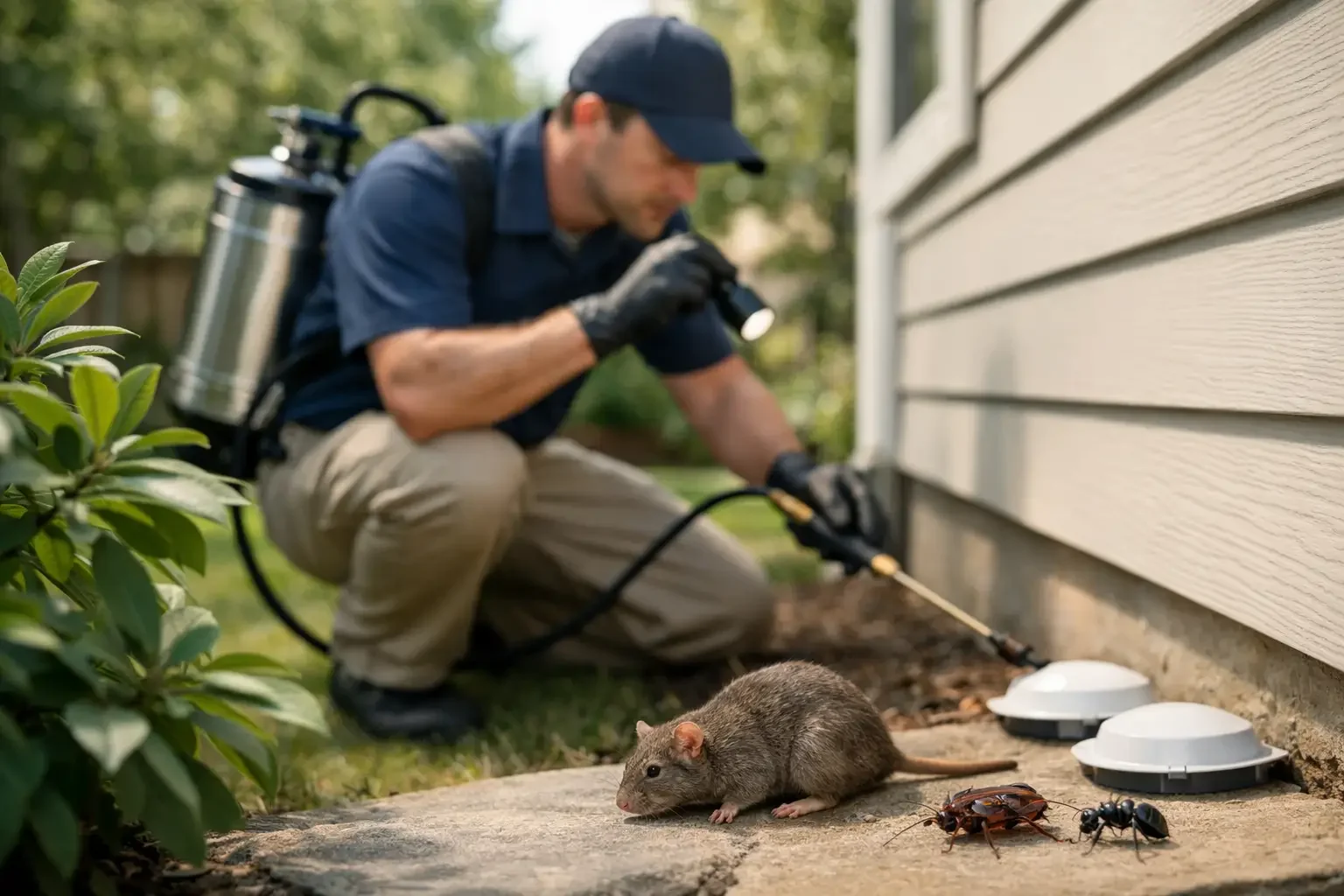
You usually notice the need for pest control right after something annoying happens - ants in the kitchen, spiders in the basement, wasps by the porch, or a mouse that suddenly turns your garage into its new apartment. The question most people ask next is how recurring pest service works, and whether it is actually worth paying for year-round.
The short answer is this: recurring service is built around prevention first, treatment second. Instead of waiting for pests to become a full-blown problem, a technician visits on a regular schedule to keep pressure low, block new activity, and handle flare-ups before they turn into a bigger headache. For most homes, that works better than chasing each new pest issue one at a time.
How recurring pest service works in real life
A recurring plan usually starts with an initial visit. That first appointment is often more detailed than follow-up services because it sets the baseline. The technician looks at what pests are active, where they are showing up, what conditions around the home are helping them, and which areas need the most attention.
That inspection matters more than people think. Ants, spiders, wasps, earwigs, rodents, and mosquitoes do not all behave the same way. A home with heavy spider webs around eaves needs a different approach than a yard with standing water and mosquito pressure, or a house where mice are slipping in through the garage and utility lines.
After the inspection, the technician treats the home based on the actual problem and the season. In many cases, exterior treatment does most of the heavy lifting. That can include foundation treatments, targeted applications around entry points, web and nest removal, granules in key areas, and attention to doors, windows, and the perimeter where pests tend to travel.
Indoor treatment is usually more selective. If a company offers family-safe and pet-friendly options, indoor applications may be used only where needed instead of being sprayed all over the house just because it sounds impressive. That is often a better approach for families who want results without turning their living room into a chemistry experiment.
Why recurring service is scheduled instead of one-and-done
Pests are not a one-time event. They move with weather, moisture, food sources, and breeding cycles. That is why recurring pest service works best on a schedule.
In Utah, for example, pest activity changes through the year. Spring can bring ants, spiders, and wasps waking up and getting busy. Summer often adds more wasp pressure, more lawn and yard activity, and in some areas more mosquitoes. Fall tends to be the season when rodents start looking for indoor shelter. Winter may seem quiet, but that is often when hidden pest issues become more noticeable indoors.
Because the pressure changes, regular visits help reset the protective barrier around the home. Treatments do not last forever. Rain, irrigation, heat, dust, and simple time all reduce effectiveness. A recurring schedule keeps the defense in place instead of waiting until pests are marching through the pantry.
For many homes, visits are quarterly. Some properties need more frequent service, especially if they have persistent mosquito issues, major rodent pressure, or yard conditions that attract pests. Other homes can stay in great shape with a standard plan and occasional retreatments when something unusual pops up.
What is usually included in recurring pest control
This depends on the company and the plan, which is why reading the details matters. Some plans sound cheap until you find out they barely cover anything and every retreatment costs extra. Others are easier to understand because pricing, covered pests, service frequency, and guarantees are spelled out clearly from the start.
A solid recurring plan usually includes routine inspections, exterior treatment, removal of webs or nests when present, and targeted interior service if needed. It should also explain which pests are covered. Common covered pests often include ants, spiders, wasps, earwigs, pill bugs, and similar general household invaders.
Rodents, mosquitoes, termites, bed bugs, wildlife issues, lawn pests, and tree problems are often handled separately or added as specialty services. That is not a red flag by itself. Those issues require different tools, different timing, and sometimes different pricing. What matters is whether the company is upfront about it.
If you have a lawn, trees, or a backyard that becomes mosquito central every summer, bundled services can make a lot of sense. Keeping pests down around the home is one thing. Keeping mosquitoes under control, protecting ornamental trees, and maintaining healthier turf can all work together, especially when the company makes the pricing simple instead of mysterious.
What happens between visits
A good recurring service plan does not mean you are on your own until the next appointment. If covered pests come back between scheduled services, many companies offer retreatments. That is one of the biggest things to ask about before signing up.
Retreatment policies tell you a lot about how a company operates. If they are confident in the service, they should be willing to come back when needed without acting like you are asking for a personal favor. If every extra visit turns into another charge, the low monthly price can start looking less impressive.
You still have a role to play, though. Recurring pest control works best when homeowners help remove the conditions pests like. That can mean trimming vegetation away from the house, fixing water leaks, reducing clutter in garages, storing food properly, and sealing obvious entry gaps. You do not need to become a part-time exterminator. You just want to avoid giving pests free room and board.
How recurring pest service works for families with kids and pets
This is where people get understandably picky. Most homeowners do not want harsh products used carelessly around children, pets, or indoor living spaces. They want effective pest control, but they also want common sense.
A better recurring program uses the least amount of product needed in the right places. That usually means targeted exterior applications and more limited indoor treatments when necessary. Some companies also offer fully organic indoor options, which can be a strong fit for customers who want another layer of peace of mind.
The important thing is not just hearing the words safe or pet-friendly. It is hearing how the company applies products, where they apply them, and what they recommend after treatment. Clear answers beat vague reassurance every time.
The biggest trade-off with recurring service
Recurring pest control is usually the better value over time, but it is not the right fit for every single situation.
If you had one isolated wasp nest removed and there is no other activity, a one-time service might be enough. If you are dealing with ongoing ant trails every spring, spiders around the whole exterior, and mice trying to move in every fall, one-time service can become the more expensive choice because you keep starting over.
Recurring service asks for a steady budget, but in return you get consistency, lower pest pressure, and fewer surprise infestations. It is less dramatic than emergency pest control, which is kind of the point. The best pest service is often the one that keeps things boring.
What to look for before you sign up
If you are comparing providers, focus on the stuff that affects your actual experience. Ask how often they come, what pests are included, whether they offer free inspections, what happens if pests return between visits, and whether you are locked into a long contract.
This is where a lot of homeowners get frustrated with the industry. They sign up for a plan that sounds simple, then find out there are cancellation fees, vague exclusions, and pricing that somehow changes after the first service. A no-contract plan with clear pricing and guaranteed retreatments is usually a much easier way to buy pest control, especially if you do not enjoy sales games.
If you also need mosquito control, lawn treatments, or tree care, ask about bundling. Combining services can reduce cost and make scheduling easier. In a lot of cases, it is simpler to work with one local company that can handle the house, yard, and seasonal outdoor pressure together instead of juggling separate providers.
For homeowners and property managers in northern Utah, that practical, no-pressure model tends to matter just as much as the treatment itself. Safe Chem Pest has built its service around that idea - straightforward plans, family-safe options, no contracts, and retreatments when needed.
Recurring pest service is not fancy. It is just smart maintenance for a problem that likes to come back. If you want fewer surprises, less scrambling, and a home that stays protected through the seasons, the right plan should feel simple, honest, and easy to keep.