
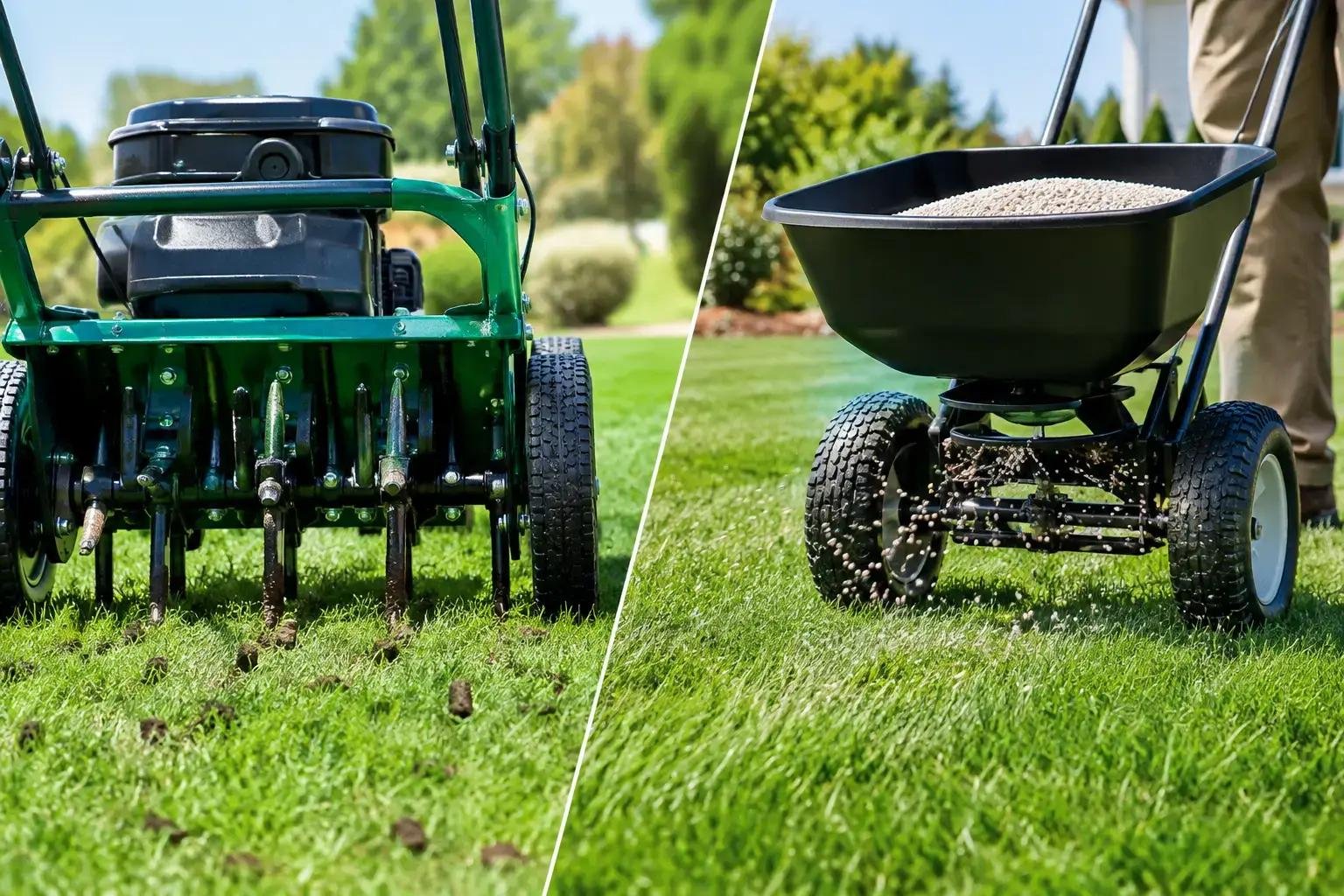
A Utah lawn can look thirsty, thin, and a little tired even when you have been watering and fertilizing it faithfully. Often, the missing piece is not more product. It is better access to the soil. That is where the question of lawn aeration versus fertilization comes in: one service opens up compacted ground, while the other supplies nutrients your grass needs to grow.
They are not really competitors. Think of aeration as opening the door and fertilization as bringing in the groceries. The order, timing, and condition of your lawn determine whether you need one, the other, or both.
Lawn Aeration Versus Fertilization: The Main Difference
Core aeration removes small plugs of soil and thatch from the lawn. Those holes let air, water, and nutrients move deeper into the root zone. They also give compacted soil room to loosen over time, helping roots grow farther down instead of staying close to the surface.
Fertilization adds nutrients, usually including nitrogen, phosphorus, and potassium, based on what turfgrass needs. Nitrogen supports green growth and color. Other nutrients help with roots, stress tolerance, and overall plant health. Fertilizer can make a lawn look better quickly, but it cannot solve hard, compacted soil by itself.
That difference matters because a lawn can be underfed, compacted, or both. Adding fertilizer to a compacted lawn is not useless, but the results may be disappointing. Water may run off, roots may stay shallow, and nutrients may not reach the areas where they can do the most good.
When Your Lawn Needs Aeration
Aeration is most helpful when your soil is compacted or your lawn has a heavy layer of thatch. In northern Utah, compacted soil is common in newer neighborhoods, high-traffic yards, clay-heavy ground, and lawns that get regular use from kids, pets, patio furniture, or backyard games.
A few clues can point to an aeration need. If water puddles or runs off instead of soaking in, your soil may be too tight. If you can push a screwdriver only an inch or two into moist soil, compaction may be an issue. Grass that thins out in paths where people walk or where dogs repeatedly run also deserves a closer look.
Thatch is another concern. A thin layer of decomposing grass material is normal and useful. A thick, spongy layer between the green grass and soil is different. It can block water and fertilizer from reaching the roots and create conditions where turf struggles. Core aeration helps break up that layer naturally.
Aerating during the right growing season is key. For most cool-season lawns common in Utah, fall is often the sweet spot because grass is actively growing, temperatures are milder, and weeds are less aggressive. Spring aeration can also work, especially when soil compaction is holding the lawn back, but it may create openings for weeds during their busiest season.
When Fertilization Is the Better First Move
If your soil is not compacted and your lawn is simply pale, slow-growing, or lacking density, fertilization may be the more direct answer. Grass uses nutrients as it grows, and Utah soils do not always provide everything a lawn needs in the right balance.
A good fertilization plan supports steady growth without pushing the lawn too hard. Too much nitrogen can create a fast burst of green growth that looks great for a minute but requires more mowing, more water, and more stress management later. It can also make turf more vulnerable during summer heat.
The best fertilizer schedule depends on grass type, sunlight, irrigation, mowing habits, soil conditions, and the time of year. In general, cool-season turf benefits most from feeding during active growth periods, particularly spring and fall. Summer applications need more care because heat-stressed grass does not need a big pep talk in the form of excess fertilizer.
A soil test is the clearest way to know what your lawn actually needs. It can reveal whether the issue is low nitrogen, poor nutrient availability, unusual pH, or something fertilizer will not fix at all. Guessing can get expensive, and grass is not impressed by a pantry full of nutrients it cannot use.
Should You Aerate Before Fertilizing?
Usually, yes. If your lawn needs both services, aerating first and fertilizing afterward is the practical order. The aeration holes help fertilizer and water move into the soil, where roots can access them. This is especially useful when your lawn is compacted or has noticeable thatch.
After aeration, apply fertilizer according to the product directions and water it in as needed. The goal is not to flood the yard. You simply want the nutrients to begin moving into the root zone while the lawn has better access to air and moisture.
There are exceptions. If you have recently applied a pre-emergent weed control product, aeration may disrupt the protective barrier it creates in the top layer of soil. Timing matters here. Likewise, avoid aerating bone-dry, heat-stressed grass. The lawn should be actively growing and the soil moist enough for the equipment to pull clean plugs.
For lawns with significant weed pressure, a lawn care professional can help coordinate aeration, fertilizer, weed control, and watering so one treatment does not undermine another. There is no prize for doing every lawn task in the same week.
What If You Can Only Choose One?
Choose aeration when the soil is hard, water is pooling, grass struggles in high-traffic areas, or thatch feels thick and spongy. Improving soil access can make every other lawn-care step work better, including watering and future fertilization.
Choose fertilization when the lawn has decent soil absorption but needs color, growth, and improved density. This is often the right call for a lawn that is established, reasonably soft underfoot, and generally healthy but looks undernourished.
If you are unsure, start by looking at how the lawn handles water. A lawn that cannot absorb water efficiently usually needs help below the surface before it needs another round of nutrients. A lawn that absorbs water well but remains pale or thin may benefit from a properly timed fertilizer application.
A Practical Seasonal Plan for Utah Lawns
A simple lawn plan beats random treatments every time. In early spring, evaluate winter damage, irrigation coverage, and weed activity. Apply fertilizer only when the grass is actively waking up, rather than trying to force green growth during cold snaps.
Late spring and summer are more about smart watering, mowing at the proper height, and managing weeds without overfeeding stressed grass. In Utah's dry heat, deep and infrequent watering is generally more useful than frequent shallow watering. Shallow watering trains roots to stay shallow, which makes the lawn less resilient when temperatures climb.
Fall is often the best time to combine core aeration with fertilization for cool-season turf. Aerate first, apply the appropriate fertilizer, and keep up with watering while the lawn recovers. The grass can use the milder weather to develop deeper roots and better density before winter arrives.
For homeowners in Weber, Davis, and Salt Lake counties, local soil and weather patterns can make a noticeable difference from one neighborhood to the next. A shaded lawn with clay soil has different needs than a sunny lawn on sandy ground. Safe Chem Pest can help take the guesswork out of fertilization, weed control, and timing so your lawn gets a plan that fits its conditions, not a one-size-fits-all treatment.
Do Not Forget the Basics
Aeration and fertilizer work best when the daily basics are handled well. Mow with a sharp blade and avoid cutting off too much grass at once. Water deeply enough to encourage roots to grow down. Address sprinkler gaps before blaming the fertilizer, because a dry strip near the sidewalk will not green up through positive thinking.
Also give treatments time. Grass does not become thick and healthy overnight, particularly when compaction, drought stress, or thin turf has been building for several seasons. Consistent care usually beats a single aggressive treatment.
The practical answer to lawn aeration versus fertilization is often both, in that order, when the soil is compacted and the grass needs nourishment. Give the roots room to breathe, feed the lawn what it actually needs, and let steady seasonal care do the heavy lifting.