
Lawn Fertilization and Weed Control Basics
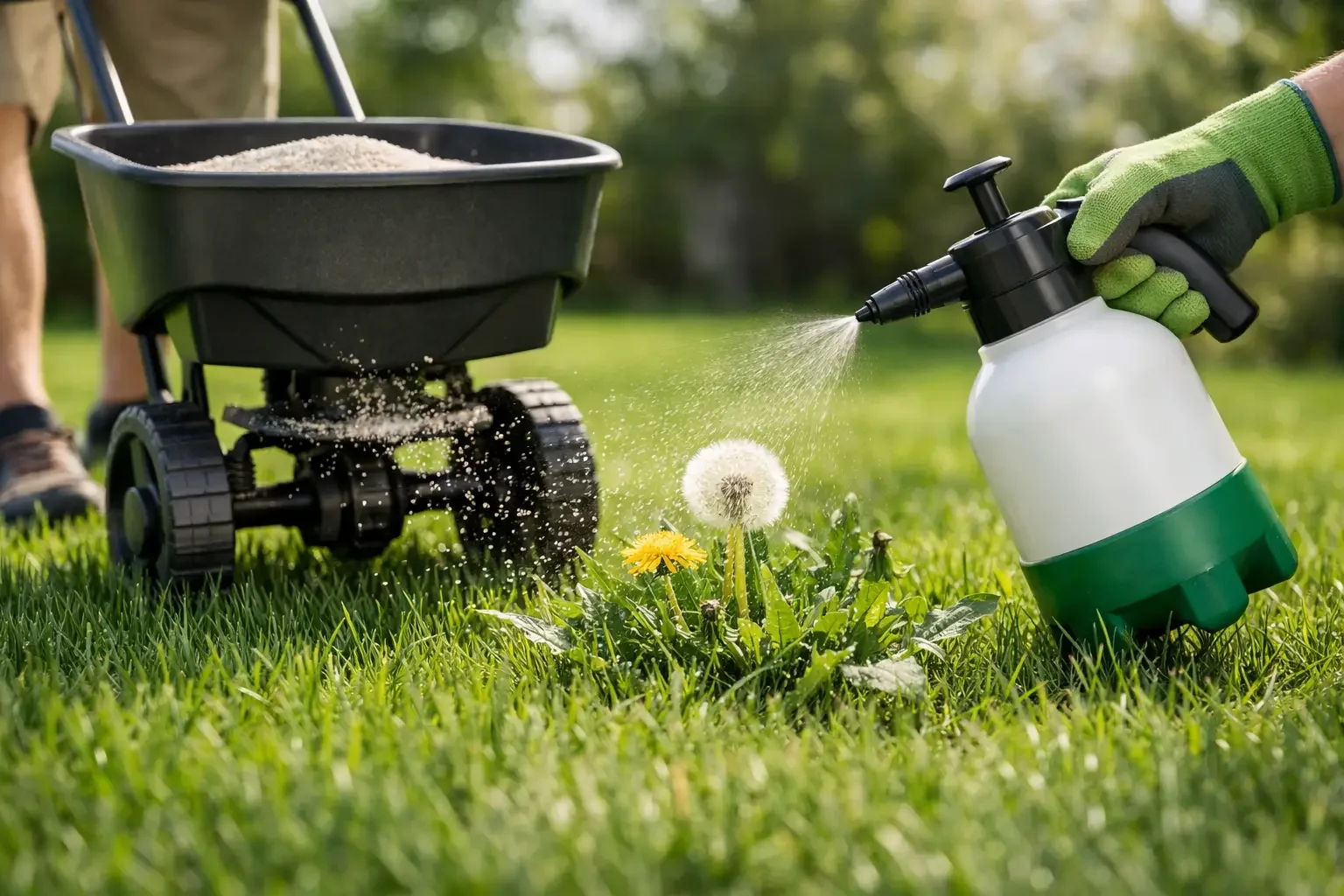
A lawn usually tells on itself before homeowners do. Thin spots, broadleaf weeds, patchy color, and that tired look in midsummer are usually signs that something is off with watering, mowing, or nutrition. Lawn fertilization and weed control works best when those issues are treated together instead of as separate problems, because healthy grass is your first and best weed defense.
That matters even more in Utah, where lawns deal with heat, dry stretches, compacted soil, and fast seasonal swings. You can throw fertilizer at the yard and hope for the best, but if weeds are already established or the timing is wrong, you may just end up feeding the problem. A better approach is simple, targeted, and built around what the lawn actually needs.
Why lawn fertilization and weed control go together
Fertilizer helps grass grow thicker, recover from stress, and compete for sunlight and water. Weed control reduces pressure from invaders that steal those same resources. If you only fertilize, you may strengthen the lawn, but you can also encourage weeds that are ready to take advantage of open space. If you only spray weeds, you may knock them back temporarily, but weak turf leaves the door open for the next round.
That is why good lawn care is less about one miracle treatment and more about a steady plan. Thick turf shades the soil, crowds out weed seedlings, and handles traffic better. Weed control gives that turf room to fill in. The two services support each other, and lawns usually look more consistent when they are managed as one system.
What a healthy lawn actually needs
Most lawns need three basic things to stay dense and green: proper nutrition, smart watering, and mowing that does not beat the grass up. Fertilizer supplies nutrients the soil may be missing, especially nitrogen, which drives green growth. But more is not always better. Too much fertilizer can create fast, weak growth, increase stress in summer, and sometimes lead to more disease pressure.
Watering has the same trade-off. Too little water leaves turf thin and stressed. Too much creates shallow roots and can help certain weeds and fungal issues get comfortable. In Utah landscapes, deeper and less frequent watering usually performs better than constant light watering, though the exact schedule depends on soil type, sun exposure, and the season.
Mowing matters more than people think. Cutting too short is one of the fastest ways to weaken a lawn. Taller grass shades the soil, keeps roots healthier, and helps suppress weeds naturally. Scalping the yard may make it look neat for a day or two, but the lawn usually pays for it later.
The biggest weed control mistake homeowners make
The most common mistake is waiting until weeds are everywhere. At that point, the lawn is already losing ground. Post-emergent treatments can help after weeds appear, but pre-emergent control is often the quieter hero. It targets problem weeds before they become obvious and saves a lot of frustration later.
That said, not every weed problem should be treated the same way. Broadleaf weeds like dandelions and clover respond differently than grassy weeds like crabgrass. Spot treatment can make sense in one yard, while another yard needs a broader application and a thicker fertilization program to rebuild turf density. It depends on what is growing, how far it has spread, and what condition the grass is in underneath it.
Timing matters more than people expect
A decent product applied at the right time will usually outperform a great product applied at the wrong time. Spring is a key window for pre-emergent weed control and for waking the lawn up without pushing it too hard. Early summer often shifts the focus toward maintaining color and strength while managing stress. Fall is one of the best times to strengthen roots and improve turf density for the next year.
This is where lawn care gets a little less glamorous and a lot more practical. Lawns do not respond to one big annual treatment the way people hope. They respond better to a sequence of smaller, well-timed visits. That is especially true in northern Utah counties, where weather can move quickly and lawns can swing from cool-season growth to summer stress in a hurry.
Lawn fertilization and weed control in Utah lawns
Utah lawns are usually dealing with cool-season grasses, alkaline soils, hot dry summers, and irrigation habits that are, let us say, sometimes optimistic. Those conditions can make nutrient uptake less predictable and can stress turf just enough for weeds to move in. When a lawn is fighting heat, compacted soil, and inconsistent watering all at once, even good grass can start to thin out.
That is why lawn fertilization and weed control in Utah lawns should be adjusted for local conditions instead of copied from a national lawn care chart. A program that works in a humid eastern state may not make much sense here. In Weber, Davis, and Salt Lake County neighborhoods, for example, lawns often benefit from a plan that balances green-up with summer stress management instead of just chasing dark color all season.
DIY versus professional service
Some homeowners enjoy handling lawn care themselves, and there is nothing wrong with that. If you have the time to track seasonal timing, identify weeds correctly, calibrate products, and stay consistent, you can get solid results. The challenge is that consistency is usually where DIY plans fall apart. Life gets busy, a weather window gets missed, or the wrong product gets used because the bag promised a miracle.
Professional service tends to make more sense when you want fewer guesses and more predictability. It also helps when the lawn has multiple issues at once, like weeds, thin turf, insect pressure, or poor color despite regular watering. A good provider should not make the process feel complicated. They should explain what they are doing, why they are doing it, and what you can realistically expect.
That last part matters. Honest lawn care is not about pretending every yard will look like a golf course. It is about improving health, appearance, and weed pressure over time with a plan that fits the property and budget.
What to expect from a smart lawn care plan
A solid lawn program usually includes seasonal fertilization, pre-emergent weed prevention, targeted post-emergent weed control, and ongoing evaluation as conditions change. It may also involve recommendations for watering and mowing, because chemistry alone cannot fix bad lawn habits. If the turf is being cut too short every week or drowned every other day, even the best treatment plan will be fighting uphill.
Families with kids and pets also want to know what is being applied and how it is used. That is a fair question, and it should be answered clearly. Targeted, low-dose lawn applications are often the right fit because they focus on effectiveness without treating the whole property like a chemistry experiment. Homeowners should feel informed, not pressured.
This is also where bundling services can make practical sense. If you are already managing lawn issues along with mosquitoes, tree health, or recurring perimeter pests, combining services can simplify scheduling and lower total cost. For many households, that is easier than juggling separate providers and hoping they all show up when they said they would.
Signs your lawn needs help sooner rather than later
If weeds are spreading faster each season, fertilizer is not producing much improvement, or the yard greens up unevenly, the lawn is telling you something. You may be dealing with poor soil conditions, thinning turf, timing issues, or a weed problem that has moved beyond casual spot treatment. Bare patches after summer heat are another common clue that the lawn is not resilient enough yet.
Property managers should pay attention to this too. A struggling lawn does not just affect curb appeal. It can make the whole property feel less maintained, even when everything else is in good shape. Regular service is often more cost-effective than trying to rescue a lawn after it has slipped too far.
Safe Chem Pest approaches lawn care the same way we approach pest service - keep it straightforward, explain the plan, and make it easy for customers to get dependable results without contracts or sales pressure. That tends to be a lot more useful than fancy lawn talk and vague promises.
The good news is most lawns do not need perfection. They need a plan, decent timing, and enough consistency to let the grass win more often than the weeds do. When that happens, the yard gets easier to maintain, looks better from the street, and gives you one less thing to wrestle with on the weekend.