
Rodent Activity Signs You Shouldn’t Ignore
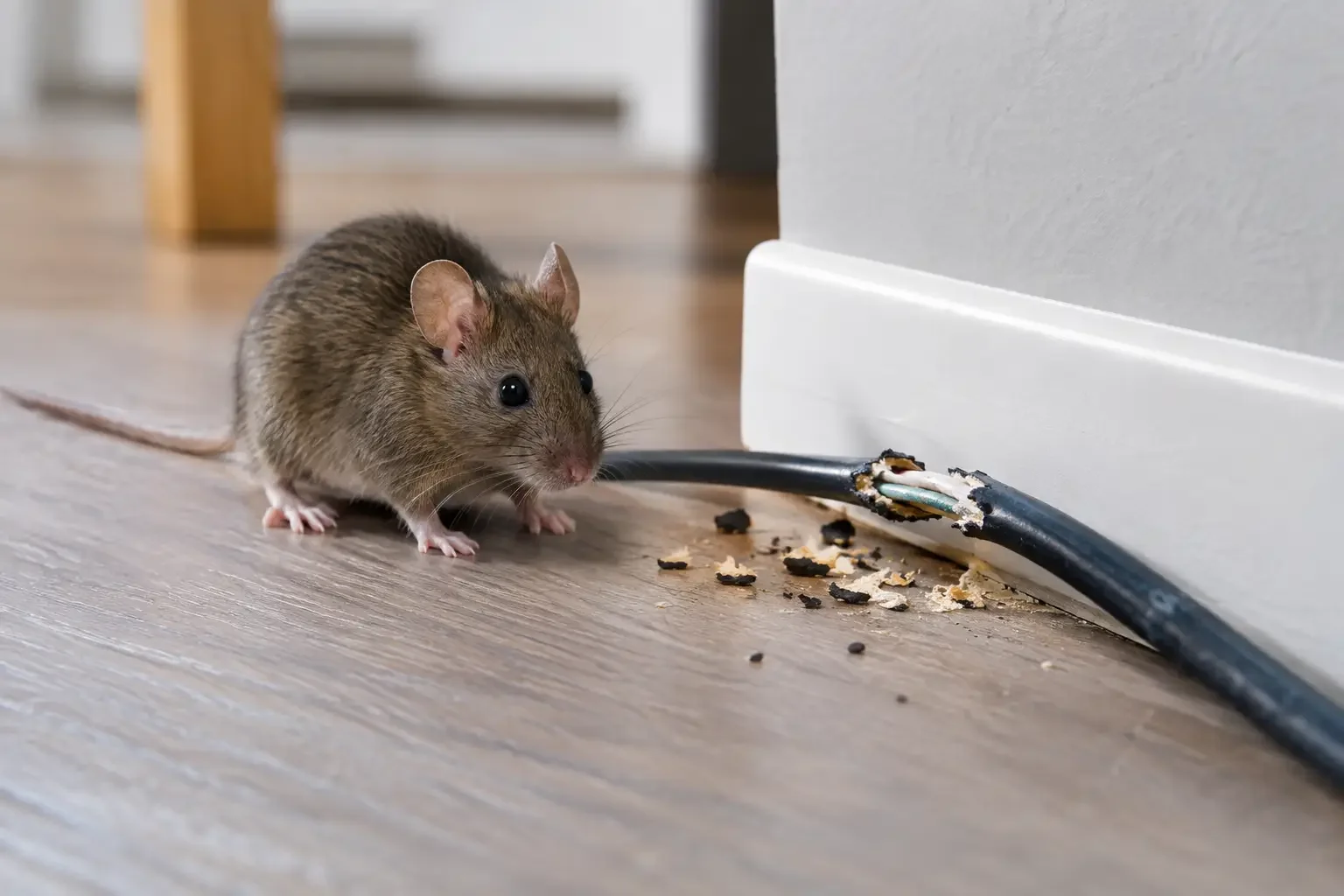
A single mouse can leave a surprising amount of evidence. The trick is knowing what you are seeing before a small problem turns into chewed wiring, contaminated pantry shelves, or a late-night scratching soundtrack in the wall. These rodent activity signs help Utah homeowners tell the difference between an old clue and a problem that needs attention now.
Mice, rats, and other rodents are looking for the same things we are: food, water, and shelter from weather. As temperatures drop along the Wasatch Front, garages, basements, crawl spaces, sheds, and warm wall voids become especially appealing. Catching the signs early usually means a simpler fix and less cleanup.
The Most Common Rodent Activity Signs
Fresh droppings near food and shelter
Droppings are often the clearest sign that rodents are active. Mouse droppings are small, dark, and pointed at the ends, usually about the size of a grain of rice. Rat droppings are larger and more blunt-ended. You may find them behind appliances, under sinks, along garage walls, inside cabinets, near pet food, or in storage areas.
Fresh droppings tend to look dark and slightly shiny. Older droppings fade to a dull gray and become dry or crumbly. That difference matters, but do not assume old-looking droppings mean the problem is over. A rodent may have been active weeks ago, or it may still be using the same route while leaving evidence somewhere else.
Never sweep or vacuum dry droppings. Spray them with a household disinfectant, let the area sit briefly, then wipe them up with paper towels while wearing gloves. Bag the waste before putting it in an outdoor trash bin, then wash your hands well.
Scratching, scurrying, or squeaking after dark
Rodents are usually busiest when the house is quiet. Light scratching in a wall, quick scurrying above a ceiling, or movement behind cabinets can point to a mouse or rat traveling through a void or nesting nearby. Sounds often become more noticeable at night, early in the morning, or when the furnace turns on and the rest of the house settles down.
One occasional noise is not always a rodent. Tree branches, plumbing, and house settling can all make strange sounds. Repeated movement in the same location, especially paired with droppings or gnaw marks, is a stronger reason to investigate.
Gnaw marks on food, wood, and wiring
Rodents need to chew constantly to wear down their teeth. Look for small, rough-edged bite marks on cardboard boxes, pantry packaging, wood trim, plastic bins, and the lower edges of doors. In a garage or storage room, check bags of birdseed, grass seed, pet food, and holiday decorations. Those quiet corners are prime rodent real estate.
Chewed electrical wiring deserves faster action. It is not just annoying property damage. Exposed or damaged wiring can create a fire risk and should be inspected by a qualified electrician if you find it. Avoid handling damaged wiring yourself.
Grease marks along walls and entry routes
Mice and rats often follow the same paths night after night. Their fur can leave dark, greasy smudges where they squeeze along baseboards, pipes, beams, or wall edges. These rub marks are most common with heavier, repeated traffic and may appear near a hole or gap that is serving as an entry point.
Use a flashlight low to the ground when you inspect. Marks, droppings, and tiny tracks are easier to spot when light runs across the surface rather than shining straight down.
Nests made from soft, shredded material
A rodent nest can look like a loose ball of shredded paper, insulation, fabric, dryer lint, leaves, or packing material. Mice frequently build nests in drawers, closets, insulation, stored boxes, vehicles, and seldom-used equipment. A nest suggests the rodents are not just passing through. They have found a place that feels safe enough to stay.
If you find a nest, inspect nearby areas for openings, food sources, and additional droppings. Removing one nest without closing the access point is a little like changing the sheets while leaving the window open in a rainstorm. The cleanup helps, but it does not solve the cause.
Signs Outside That Point to an Indoor Problem
Many infestations begin outdoors. A tidy house can still have rodents if the exterior gives them easy access and a reason to linger.
Check around the foundation, garage door, utility lines, window wells, vents, and where pipes enter the home. Mice can fit through openings about the size of a dime, so a gap that looks harmless can be a front door to a mouse. Look for chewed weatherstripping, gaps around utility lines, damaged vent screens, or cracks near the foundation.
Burrows, fresh soil disturbance, or narrow runways through grass and mulch may indicate outdoor rodent activity. Voles, for example, can leave surface trails in lawns and gardens, while rats may burrow near sheds, dense vegetation, compost, or foundations. Outdoor activity does not guarantee rodents are inside, but it raises the odds when an entry point is nearby.
Bird feeders, fallen fruit, open garbage, pet food left outside, and cluttered storage can also keep rodents close. You do not need a perfectly bare yard. You just want to reduce the easy meals and hiding places that make your property more attractive than the one next door.
How to Tell Whether the Signs Are Current
When you find evidence, the first question is usually, “Is this happening right now?” Start by cleaning droppings safely and taking a few photos for reference. Then watch the area for several nights. New droppings, fresh chew marks, or new noises point to active traffic.
You can also place a small amount of flour near a suspected entry route or along a garage wall overnight. Tiny tracks or tail marks may show where rodents are traveling. Keep flour away from food-prep areas, children, and pets, and clean it up afterward.
An active problem may be limited to one mouse, but numbers can change quickly when shelter and food are available. Rodents reproduce fast, and a hidden nesting site can make a manageable issue much harder to solve a month later. If signs continue after basic cleanup and exclusion work, it is reasonable to bring in help rather than playing detective indefinitely.
What to Do First Without Making It Worse
Start with sanitation and exclusion. Store pantry goods and pet food in hard-sided containers, clean crumbs from behind appliances, and avoid leaving pet bowls full overnight. Move stored boxes off the floor when possible, especially in garages and basements. Clear away clutter that creates nesting cover.
Next, seal accessible gaps with durable materials. Metal mesh, hardware cloth, and properly fitted weatherstripping tend to hold up better than soft fillers alone because rodents can chew through many materials. Keep in mind that sealing every opening before you know whether rodents are trapped inside can cause them to search for another route, sometimes into a more inconvenient part of the house.
Traps can be effective for a small, identified mouse problem when placed correctly along walls where rodents travel. Check them daily and keep all traps out of reach of children and pets. Poison bait has trade-offs: a rodent may die in a wall or inaccessible area, creating odor and cleanup trouble, and unsecured products can pose risks to pets and wildlife. It is not the automatic first choice many people assume it is.
When Professional Rodent Control Makes Sense
A professional inspection is especially useful when you hear activity in walls or ceilings, find repeated droppings, discover chewed wiring, see signs in more than one part of the building, or cannot locate the entry point. Property managers may also need a broader plan because shared walls, utility rooms, dumpsters, and landscaping can allow rodent pressure to move between units.
The best approach is not just placing products and hoping for the best. It combines inspection, targeted control, practical exclusion recommendations, and follow-up to confirm activity has stopped. For homeowners in Weber, Davis, and Salt Lake counties, Safe Chem Pest can help identify what is attracting rodents and build a straightforward plan without the usual contract pressure.
Rodent activity is rarely a reflection of whether you keep a good home. These animals are opportunists, and even clean, well-kept houses can offer warmth and a gap near a pipe. Pay attention to the small clues, act before they multiply, and you can keep a minor nuisance from becoming an expensive houseguest.