
Why Do Ants Return After You Get Rid of Them?
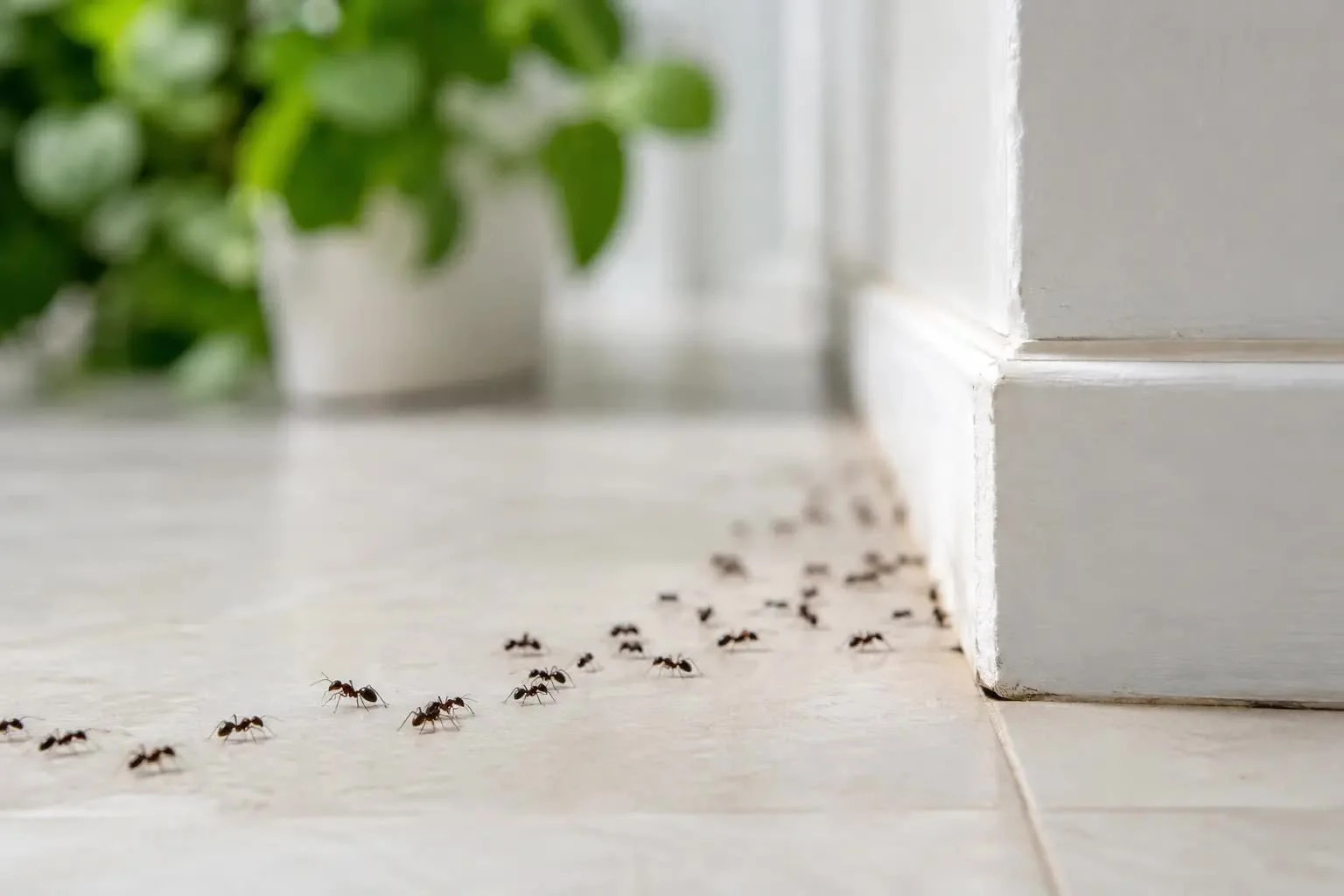
A clean counter, a wiped-up ant trail, and a can of store-bought spray can make an ant problem look finished. Then, a few days later, the line is back - often in the same spot. So, why do ants return after you thought you got rid of them? Usually, it is because the ants you saw were only the visible part of a much larger operation.
Ant colonies are organized, persistent, and very good at finding resources around a home. Killing the few workers crossing your kitchen floor may provide a short break, but it does not necessarily remove the colony, its food source, or the scent trail that tells the next group exactly where to go.
Why Do Ants Return to the Same House?
Ants return when your property still offers something worth coming back for. Food and water are the obvious draws, but shelter, warmth, and easy entry points matter just as much. Utah homes can be especially inviting during dry stretches, spring moisture, and sudden temperature changes, when ants adjust where they forage.
The ants indoors are usually workers. Their job is to search for food, bring it back to the colony, and lay down a chemical scent trail called a pheromone trail. Other workers follow that trail with impressive accuracy. Even if you wipe away the ants themselves, a faint trail can remain on flooring, baseboards, countertops, or around door thresholds.
A treatment that only kills foraging ants may reduce activity temporarily. If the queen and the colony remain active in a wall void, beneath a patio, in landscaping, or near the foundation, new workers can simply resume the route.
The Colony Was Never Eliminated
This is the most common reason ants seem to "come back." Sprays can kill ants on contact, but contact products do not always reach the nest. In some cases, heavy spraying can scatter or redirect foragers instead of allowing them to carry a bait back to the colony.
The right approach depends on the ant species, nest location, and level of activity. A small trail near a sink may be handled differently than pavement ants emerging through cracks along the driveway or carpenter ants showing up near damp wood. More product is not automatically better. Placement and identification matter.
Food Is Still Available
Ants do not need a dramatic mess to find a meal. A few crumbs under a toaster, sticky residue on a cabinet handle, pet food left out overnight, or a recycling bin with unwashed soda cans can be enough. Some species are drawn to sweets, while others may seek proteins, grease, or moisture.
This is not a judgment on housekeeping. Ants are professional scavengers. Their idea of a buffet is much less demanding than yours.
Water and Moisture Keep Pulling Them In
Many ant problems are really moisture problems. Leaky plumbing under sinks, condensation near pipes, damp towels, pet water bowls, and poorly draining areas near the foundation can attract ants even in otherwise tidy homes.
Outside, overwatered landscaping, mulch pushed tightly against the house, dripping hose connections, and clogged gutters can create favorable conditions. You do not need a bone-dry yard, but reducing unnecessary moisture near the foundation makes your home less appealing.
How Ant Trails Start Again After Cleaning
Cleaning is useful, but it needs to do more than remove the ants you can see. When you spot a trail, use soapy water or a household cleaner to thoroughly wipe the route, including the baseboard, counter edge, or floor seam where ants are traveling. This helps disrupt the pheromone trail.
Then follow the line in both directions if you can. Look for the entry point and the reward. Ants may enter through tiny gaps around windows, utility lines, plumbing penetrations, doors, and foundation cracks. The food source may be obvious, or it may be a forgotten spill behind an appliance.
If ants repeatedly appear in one room, do not assume the nest is in that room. Workers can travel surprisingly far from the colony. The bathroom may offer water, while the actual nest sits outside near the foundation or beneath a walkway.
What Actually Helps Keep Ants From Returning
Long-term ant control works best when it combines sanitation, exclusion, moisture control, and targeted treatment. One fix alone can help, but several small changes together make a bigger difference.
Start by keeping food sealed in containers, cleaning crumbs and spills promptly, and rinsing recyclables. Avoid leaving pet food out for long periods, especially overnight. Empty indoor trash regularly when ant activity is high.
Next, make the exterior less welcoming. Trim branches and shrubs away from the home, keep mulch from piling against the foundation, and address dripping faucets or irrigation leaks. Seal gaps around pipes, window frames, and doors where practical. Door sweeps can make a real difference when ants are entering at ground level.
For active trails, the treatment method matters. Baits are often useful because foraging ants can carry the material back to the colony. But baits are not instant, and placing them beside areas that have been heavily sprayed may reduce how well they work. Ants may also ignore one bait and accept another depending on what the colony needs at that time.
That is why a one-size-fits-all DIY plan can become frustrating. If ants keep changing routes, show up in several areas, or return shortly after treatment, it is time to look beyond the visible trail.
When Returning Ants Need Professional Help
A few occasional ants may not call for a service visit. Persistent trails, frequent indoor activity, or ants appearing in multiple rooms are different. The same goes for large black carpenter ants, which can be associated with moisture-damaged wood. Carpenter ants do not eat wood like termites, but they can excavate it for nesting and should not be ignored.
A professional inspection can identify likely entry points, nesting areas, and the conditions that are supporting activity. The goal should not be to fog the whole house and hope for the best. It should be a focused plan that treats the right areas while keeping your family and pets in mind.
For homes in Weber, Davis, and Salt Lake counties, ant pressure can shift with the season and the property. A home with heavy landscaping and irrigation has different risk factors than a townhome with shared exterior walls. This is where recurring prevention can be useful: it addresses new activity before a small trail turns into a weekly kitchen visitor.
Safe Chem Pest uses family-conscious options, including organic indoor applications and low-dose, targeted exterior treatments when appropriate. Just as important, service should be easy to understand. If activity returns, you should know what happens next without getting pushed into a long contract or surprised by a fee.
A Quick Check Before You Treat Again
Before reaching for another spray, take a minute to answer a few practical questions. Are the ants following the same path? Is there moisture near that area? Did the activity begin after rain, a heat wave, watering changes, or yard work? Are they finding food, or are they entering through a specific gap?
Those details can tell you whether you are dealing with a lingering colony, a fresh scouting trail, or an outdoor condition that keeps sending workers toward the house. The answer is not always complicated, but it is rarely just "spray more."
Ants return because they are responding to a reliable opportunity. Remove that opportunity, disrupt their route, and treat the colony strategically when needed. That is how you turn a temporary break from ants into a home that is much less worth revisiting.