
Rodent Prevention for Garages That Works
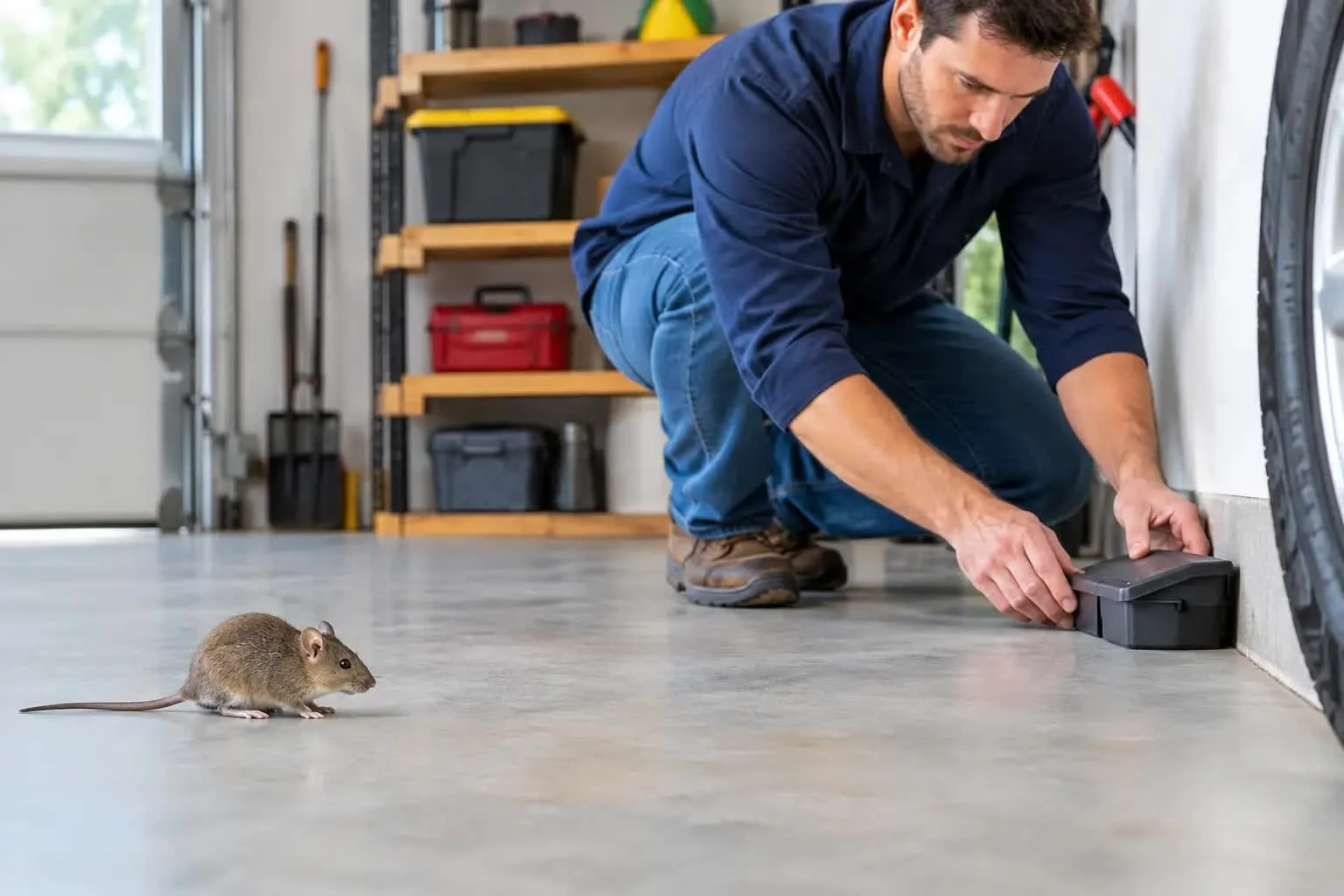
A garage can look perfectly clean and still be a great place for a mouse. All it takes is a gap under the garage door, a stack of cardboard, and a little birdseed or pet food. Effective rodent prevention for garages is less about spraying products around and more about taking away the easy way in, the easy meal, and the easy nesting spot.
For Utah homeowners, garages are especially tempting as the weather changes. Mice and rats are looking for shelter from summer heat, fall cold snaps, and winter snow. If they settle into the garage, it is often only a matter of time before they investigate the walls, attic, kitchen, or basement. The good news: a few practical changes can make your garage much less welcoming.
Why Rodents Like Garages So Much
Garages give rodents the three things they need: cover, food, and a quiet place to build a nest. They can hide behind storage shelves, inside boxes, beneath workbenches, and around water heaters or utility lines. Garages also tend to be opened and closed several times a day, creating opportunities that a rodent-proofed home may not have.
Mice can fit through an opening about the size of a dime. Rats need more room, but not much more than a quarter-sized gap. That means a bent garage-door corner, a missing vent screen, or a small opening where a pipe enters the wall can be enough.
You may not see the rodent itself at first. Small dark droppings, shredded paper or insulation, gnaw marks, a musky smell, or scratchy sounds after dark are more common early clues. Catching those signs quickly matters. One mouse looking for a warm place is a lot easier to handle than a nest behind your drywall.
Rodent Prevention for Garages Starts at the Door
The garage door is usually the first place to inspect. Close it during daylight and look from inside. If you can see light along the bottom or corners, rodents may have a path inside. A worn or flattened bottom seal is one of the most common issues we find.
Replace damaged weatherstripping and make sure the door sits evenly against the ground. If the concrete is uneven, a thicker rubber seal may help, but it is worth fixing the door alignment too. A seal that looks fine in the middle but leaves gaps at both corners is not doing the job.
Check the less obvious entry points
Walk the outside perimeter of the garage and look closely at the lower walls. Pay attention to utility penetrations, dryer vents, hose bibs, foundation gaps, and openings around conduit. Seal small holes with durable materials that rodents cannot easily chew through, such as metal mesh, steel wool paired with a proper sealant, or sheet metal for larger damaged areas.
Do not block vents that need airflow. Instead, cover them with correctly sized metal screening. Plastic screens may keep out leaves, but determined rodents can chew them. If you are unsure whether an opening is meant for ventilation or is simply a gap, have it checked before sealing it up.
Trees, climbing vines, and piled materials can also create a convenient route to upper vents or rooflines. Keeping branches trimmed back from the garage is a simple preventive step, especially if squirrels or rats are common around your property.
Remove the Food and Nesting Materials
A sealed garage is the goal, but rodents sometimes slip in when the door is open. Make the inside less rewarding so they are less likely to stay.
Birdseed, grass seed, pet food, livestock feed, and snacks should be stored in hard containers with tight-fitting lids. A bag tucked on a shelf is still an easy buffet for a mouse. The same goes for garbage, recycling that has food residue, and spilled fertilizer or seed near lawn equipment.
Cardboard boxes are handy until they become a rodent condo. They offer cover, nesting material, and a quiet place to hide. You do not need to make your garage look like a showroom, but switching long-term storage to sturdy plastic bins with lids makes a real difference. Keep bins and shelving a few inches away from walls when possible. That gives you room to spot droppings or gnaw marks before the problem grows.
Clutter is the trade-off here. Many garages need to store seasonal decorations, tools, sports gear, and outdoor supplies. The answer is not throwing everything away. It is organizing what stays, reducing loose paper and fabric, and avoiding dark, untouched corners where rodents can settle in unnoticed.
Keep Moisture and Outdoor Attractants in Check
Rodents need water, too. A small leak near a water heater, a dripping hose connection, or standing water around the garage can help support an infestation. Repair leaks, avoid leaving pet water bowls in the garage overnight, and make sure drainage carries water away from the foundation.
The area outside the garage matters as much as the space inside. Keep firewood, lumber, and dense yard debris away from the building. If firewood must stay nearby, elevate it and store it away from exterior walls. Mow or trim tall vegetation along the garage foundation so rodents have fewer protected travel routes.
Fruit that drops from nearby trees, unsecured trash cans, and uncovered compost can also bring rodent activity closer to the home. You may not have to remove every attractant, but the closer food and shelter are to the garage, the more pressure your exclusion work will face.
Monitor Before a Small Problem Gets Expensive
A quick garage check once a month can save a lot of frustration. Look along walls, under shelves, behind appliances, and near stored food. Check door seals after a hard winter, when rubber can crack and shifting ground can change how the door meets the concrete.
If you see fresh droppings, use gloves and avoid sweeping or vacuuming them dry. Lightly wet the area with a household disinfectant, let it sit as directed on the label, then wipe it up with disposable towels. This reduces the chance of stirring contaminated dust into the air.
A few strategically placed snap traps can help confirm activity and remove an occasional mouse. Place them along walls, with the trigger end facing the wall, because rodents usually travel along edges. Keep traps where children and pets cannot reach them, or use secured trap stations.
Skip the old habit of tossing loose poison around the garage. Rodenticides can create risks for children, pets, and wildlife, and an animal that dies in a wall can leave you with a smell problem that is worse than the original mouse problem. If bait is appropriate, it should be used in tamper-resistant stations and as part of a larger exclusion plan, not as the whole plan.
When It Is Time for Professional Help
A single mouse sighting after leaving the garage open is different from ongoing signs. It is time to call for help when you keep finding droppings, hear activity in walls or ceilings, notice chewed wiring, find a nest, or see rodents during the daytime. Daytime activity can mean the population is large enough that the rodents are competing for food and shelter.
Property managers may also need faster action, especially in shared garages, storage areas, or commercial spaces where one unsealed opening can affect multiple units. A thorough inspection should identify likely entry points, explain what needs to be sealed, and address the active rodent issue without vague promises or pressure to sign a long contract.
For homeowners in Weber, Davis, and Salt Lake counties, Safe Chem Pest can help identify the source of rodent activity and build a practical plan around exclusion, targeted control, and prevention. The goal is not to make your garage smell like a chemical aisle. It is to stop rodents from treating it like a furnished rental.
A garage will never be completely untouched by the outdoors, and that is okay. Keep the door seal tight, store food and clutter smartly, inspect the edges regularly, and deal with fresh signs right away. Those small habits give rodents a clear message: this garage is already occupied.