
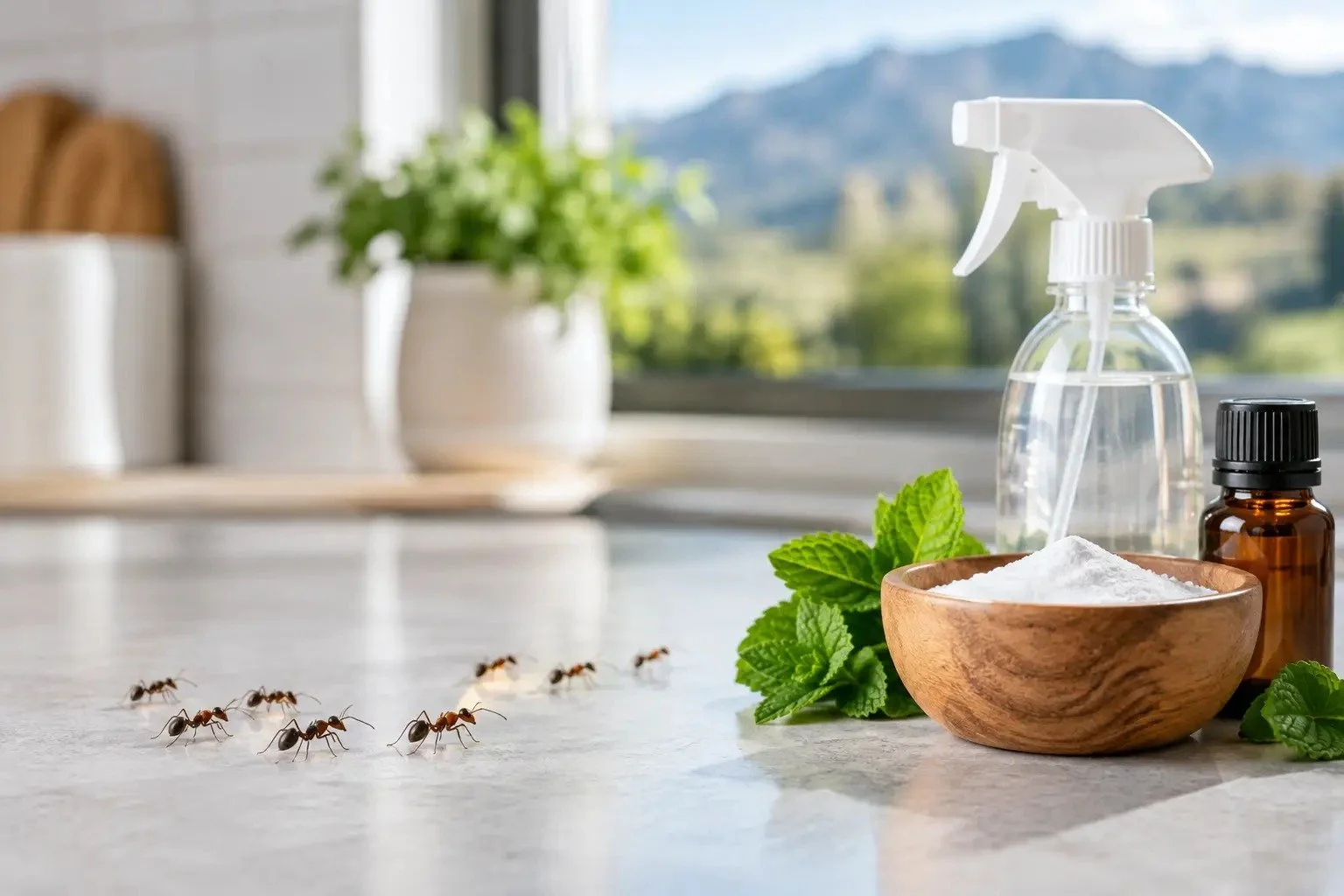
A few ants near the sink can turn into a steady little parade faster than most homeowners expect. The best ant prevention methods do not start with spraying the first ant you see. They start by removing what brought the ants inside, cutting off their access, and treating the colony in a way that actually lasts.
For Utah homes, ant activity often picks up when outdoor conditions change. Spring moisture, summer heat, dry spells, and even a freshly watered lawn can send ants looking for food and water indoors. The goal is not to make your home look like a science lab. It is to make it less rewarding for ants to visit in the first place.
Why Ant Prevention Works Better Than Chasing Ants
Ants are organized foragers. When one finds a reliable food or water source, it leaves a scent trail that helps the rest of the colony find the same route. Wiping up the visible ants helps in the moment, but it does not necessarily solve the reason they arrived or address the nest outside.
That is why prevention has layers. Good housekeeping removes easy meals. Moisture control removes another major attraction. Exclusion closes the tiny gaps ants use to get inside. Targeted treatment is the final layer when a colony has already established a route around your home.
You do not need a perfectly spotless house to avoid ants. You do need to pay attention to repeat food sources, damp areas, and the places where a trail keeps appearing. Ants are persistent, but they are also predictable.
Best Ant Prevention Methods That Work at Home
Keep food sources from becoming a standing invitation
Kitchen crumbs are the obvious culprit, but ants are not picky. A sticky spot under the toaster, a recycling bin with soda residue, pet food left out all day, or a forgotten piece of fruit can support a trail. Sweet foods attract many species, while grease, protein, and even dry pantry goods can attract others.
Wipe counters after meals, sweep under dining areas, and rinse cans and bottles before putting them in recycling. Store pantry staples in sealed containers if ants have been an ongoing problem. For pet bowls, pick up uneaten food when practical and clean the area around the bowl regularly. This is especially useful overnight, when a quiet kitchen gives ants plenty of time to forage.
Trash is another common trouble spot. Use a bin with a secure lid, take garbage out regularly, and wipe spills from the inside rim of the can. It is not glamorous work, but neither is sharing your cereal cupboard with ants.
Fix moisture issues, especially in kitchens and bathrooms
Ants need water just as much as food. A slow leak under a sink, condensation around a pipe, a damp cabinet, or a dripping outdoor faucet can keep them coming back even when your counters are clean.
Check beneath sinks and behind appliances for moisture. Repair leaking plumbing, replace worn sink caulk when water is getting behind the counter, and avoid leaving wet towels or sponges piled up for long periods. In bathrooms, make sure ventilation is doing its job after showers.
Outside, look for standing water near the foundation and make sure sprinklers are not repeatedly soaking the same wall. This matters in Utah's hot, dry stretches. Overwatering near the house can create a convenient watering hole for ants and other pests that would otherwise stay farther out in the yard.
Seal the small entry points that ants use
Ants can enter through gaps most people would never notice. Check around window frames, exterior doors, utility lines, plumbing penetrations, dryer vents, and the point where siding meets the foundation. A visible gap under a door is not just a draft problem. It is a welcome mat.
Use appropriate caulk for small cracks and weatherstripping for doors that no longer seal tightly. Repair damaged screens and keep window wells clear of leaf litter and debris. If you see a trail entering at one specific spot, clean the trail first, then inspect that area carefully before sealing it.
Do not assume every crack needs to be sealed in a single weekend. Start with the places where you have seen activity and the areas closest to kitchens, bathrooms, laundry rooms, and pet feeding stations. That approach is practical and usually gets the biggest payoff.
Make the foundation area less ant-friendly
What happens outside your home matters just as much as what happens inside. Keep mulch, leaves, stacked wood, and dense ground cover from sitting directly against the foundation. These materials can hold moisture and give ants sheltered travel routes close to the house.
Trim shrubs and tree branches so they are not resting against siding or rooflines. Ants can use vegetation as a bridge, especially when it touches windows or eaves. Store firewood away from the home and off the ground when possible. If you have decorative rock or mulch beds, inspect them occasionally for obvious mounding or trail activity.
This is not a case for stripping your yard bare. Healthy landscaping is still worth having. The trick is leaving a little breathing room around the structure and avoiding constant moisture against the foundation.
Baits, Sprays, and the Trade-Off Most People Miss
When ants are already active indoors, the fastest-looking option is often an aerosol spray. It can kill the ants you see, but it may not affect the colony that sent them. Worse, spraying directly along a foraging trail can sometimes scatter ants into new routes, making the problem feel random and never-ending.
Baits work differently. Foraging ants carry the bait back to the colony and share it, which gives the treatment a chance to reach more than the visible workers. The trade-off is patience. You may see increased activity around bait at first because ants are feeding on it. That can be frustrating, but it is often part of the process.
Avoid spraying repellent products right next to a bait placement. If the ants avoid the area, they may avoid the bait too. Also, not every bait attracts every type of ant. Ant food preferences can shift with the season and the colony's needs, so a bait that worked in one situation may not be the right fit in another.
Read and follow every product label, and keep baits and treatments out of reach of children and pets. If you are unsure what species you are dealing with, or you want a lower-exposure approach, it is reasonable to bring in a professional rather than mixing several products and hoping for the best.
When Ants Need Professional Help
A recurring trail in the same room, ants appearing in several areas at once, or activity that returns shortly after DIY treatment usually points to a nest nearby or a larger exterior pressure issue. Carpenter ants deserve extra attention because they can be associated with wet or damaged wood. They do not eat wood, but they can excavate it for nesting.
A professional inspection can identify likely entry points, moisture conditions, nesting areas, and the ant species involved. At Safe Chem Pest, the focus is on targeted exterior treatment and family-conscious options, including organic indoor applications when appropriate, rather than turning your entire home into a chemical fog bank.
For homeowners and property managers, recurring service can be especially helpful when ant activity appears every spring or summer. Consistent exterior prevention addresses the pressure before ants establish regular indoor trails. If mosquitoes, lawn needs, or tree care are also on your list, bundling services can reduce costs while keeping outdoor pest conditions more manageable.
Watch for Seasonal Changes, Not Just Visible Ants
The best time to prevent a major ant problem is often before you see one. Walk around the outside of your home after spring rains, during early summer heat, and after changing irrigation schedules. Look for ant trails along patios, driveways, foundation edges, and utility lines.
Inside, pay attention to small clues: a repeated line near the dishwasher, ants in a bathroom cabinet, or activity around a window after watering the yard. Catching that pattern early is much easier than waiting until the colony has made your kitchen part of its route.
A home does not have to be perfect to stay ant-free. Keep food and moisture under control, close the easy entry points, and treat recurring activity as a clue instead of a mystery. That gives ants far fewer reasons to move in and gives you a much better chance of keeping them outside where they belong.