
Ant Infestation Treatment That Actually Lasts
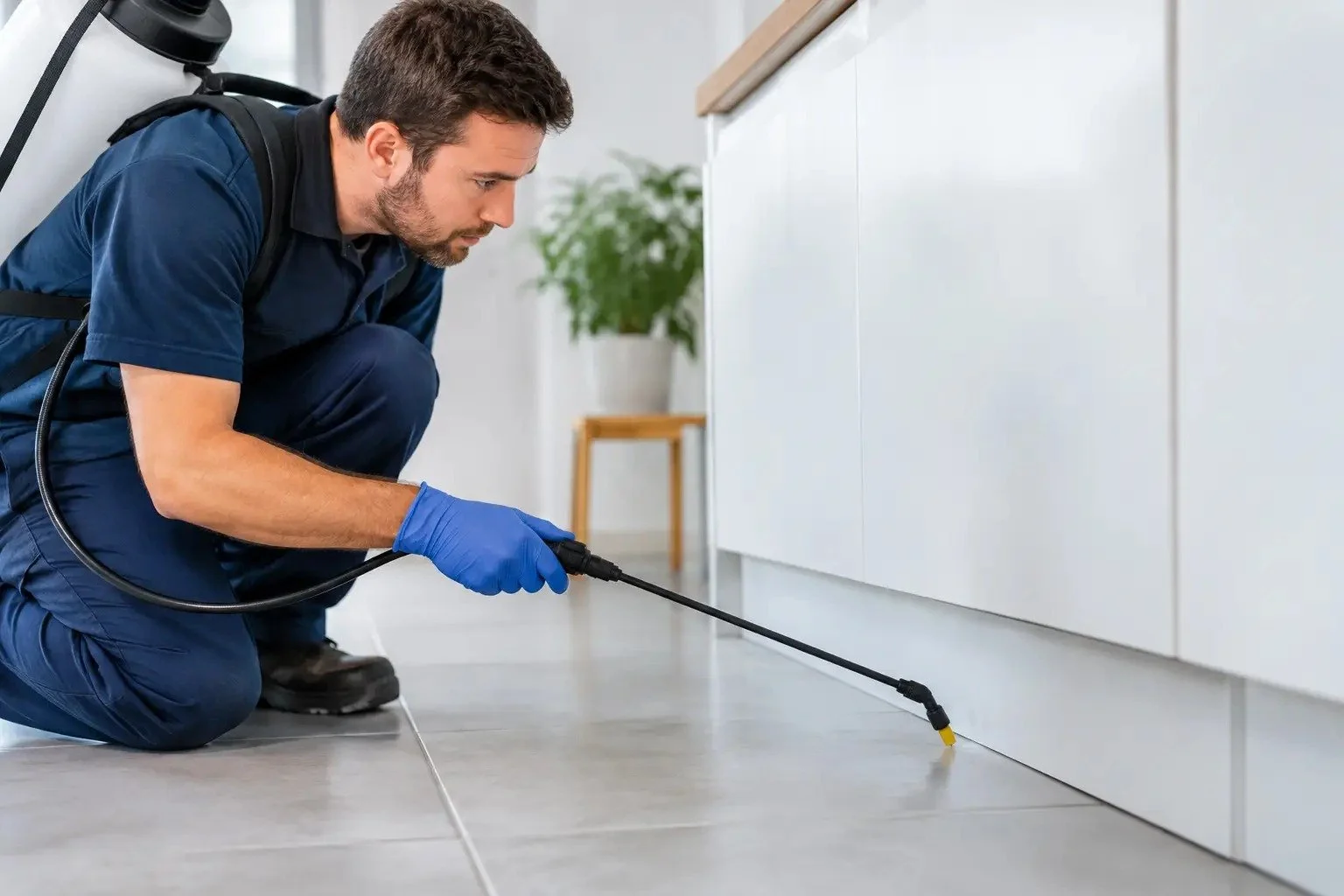
A line of ants marching across the kitchen counter is rarely just a counter problem. The ants you see are scouts, and they have likely already found a reliable route between food, water, and a colony nearby. Effective ant infestation treatment has to interrupt that route and address the colony behind it - not simply make the visible ants disappear for an afternoon.
For Utah homeowners, ants often become more noticeable in spring and summer, then move indoors when weather, moisture, or food sources make your home the better option. A few ants near a sink may be manageable. Repeated trails, ants in several rooms, or activity returning after store-bought sprays are signs that it is time for a more complete plan.
Why Ants Keep Coming Back
Most ant problems are not caused by a dirty house. Crumbs and sticky spills can certainly help, but even clean homes offer what ants need: water around plumbing, pet food, pantry staples, garbage, landscaping moisture, and tiny gaps around doors or utility lines.
The challenge is that ants communicate. A scout finds a food source, leaves a scent trail, and other workers follow it. Killing the workers on the counter can remove the symptom while the colony continues sending replacements. That is why a spray-only approach often produces the frustrating cycle homeowners know too well: fewer ants today, another trail next week.
The right approach depends on the species, where the ants are nesting, and what is drawing them in. Pavement ants may nest beneath sidewalks, driveways, and foundation edges. Odorous house ants commonly trail indoors around kitchens and bathrooms. Carpenter ants deserve extra attention because they can nest in damp or damaged wood, although seeing one does not automatically mean your home has structural damage.
What Good Ant Infestation Treatment Looks Like
A worthwhile treatment starts with inspection, not guesswork. A technician should look for active trails, likely entry points, moisture issues, nesting areas, and conditions around the foundation that allow ants to thrive. The goal is to identify the pattern, then treat the places that matter most.
For active indoor activity, baiting is often more useful than blasting everything with a repellent. Properly selected bait allows worker ants to carry material back through the colony. This takes a little patience, but it is aimed at the source of the problem rather than just the ants currently in view. It is normal to see some temporary activity around a bait station before the trail fades.
Exterior work matters just as much. Targeted treatment around the foundation, entry points, cracks, landscape edges, and known nesting zones creates a barrier where ants are most likely to travel. At Safe Chem Pest, indoor applications can be fully organic, while exterior solutions use low-dose, targeted products designed to balance effective control with family and pet safety. That does not mean dumping product across the yard. It means using the right material in the right place.
A good service plan also includes clear instructions. You may be asked to avoid cleaning directly over bait placements, trim vegetation away from the home, or correct a drip under the sink. Pest control works best when treatment and simple prevention are working together.
Why DIY Sprays Can Make the Problem Harder
There is nothing wrong with wiping up an ant trail or using a quick product for a few wandering ants. The trouble starts when repeated spraying becomes the whole strategy. Many contact sprays kill exposed workers quickly, but they may not reach the colony. Some can also scatter ants into new routes, making the activity look different without truly resolving it.
Ant baits from a store can help in small, straightforward situations. But bait only works when ants are interested in that particular food source, when it is placed correctly, and when it is not contaminated by other sprays or cleaners. Ants also switch preferences. One week they may want sweets; another week they may be after protein or grease. If you have tried several products and the trails keep returning, it is usually less expensive and less aggravating to have the source assessed.
How to Prepare Your Home Without Turning It Into a Project
You do not need to empty every cabinet or scrub the house top to bottom before service. A few practical steps make a real difference, though. Keep food in sealed containers, wipe up spills, and avoid leaving pet food out overnight when possible. Take out trash regularly and rinse recycling that contains food residue.
Pay attention to water. Repair leaks under sinks, make sure bathroom drains are not staying wet unnecessarily, and address standing water near the foundation. Outside, keep mulch, leaf piles, and dense vegetation from pressing directly against the house. Ants like protected, damp areas, and your siding should not feel like a welcome mat.
If you can see an active trail, do not immediately spray it before an inspection. Instead, note where the ants appear and where they travel. A photo or short video can be useful, especially if activity is intermittent. Those details help pinpoint the best treatment locations.
When an Ant Problem Needs Professional Help
Call for help when the activity is persistent, widespread, or confusing. Ants appearing in multiple rooms, around windows, in wall voids, or near appliances can indicate a colony close to the structure or several entry points. Large black ants, particularly when paired with sawdust-like material or moisture-damaged wood, should also be evaluated promptly.
Property managers may need a broader approach because ants can move between units, shared landscaping, utility spaces, and garbage areas. Treating one apartment while ignoring the exterior conditions or neighboring activity can turn into an endless game of ant whack-a-mole.
Recurring service is often the practical choice for homes that experience seasonal pressure every year. It provides routine exterior protection and a clear path for retreatment if ants show up between visits. The important part is knowing what you are buying. Ask whether inspections are included, whether retreatments cost extra, and whether you are being locked into a long agreement just to get someone to answer the phone.
Safety Questions Families Should Ask
“Family-safe†should mean more than a label on a brochure. Ask what will be used indoors, where it will be applied, whether pets need to be kept away temporarily, and what you should do after treatment. Clear answers are a good sign. Vague reassurance is not.
The lowest-impact option is not always the same in every situation. A one-time trail near a patio may need a focused exterior application. A recurring kitchen issue may benefit from carefully placed bait and sanitation adjustments. The best plan uses the least disruptive effective method while still solving the problem.
For homes with children or curious pets, placement is especially important. Treatments should be targeted away from hands, paws, food-preparation areas, and pet bowls whenever possible. Follow any technician instructions about drying time, bait placement, and re-entry. A professional should make those steps simple, not turn your afternoon into a chemistry lesson.
Prevention Is the Part That Makes Treatment Last
Ant control is not about making a home sterile. It is about making your home less convenient than the places outside it. Seal obvious gaps around pipes, doors, and windows. Keep tree branches and shrubs from creating bridges to the roofline or siding. Store firewood away from the structure, and keep the foundation area reasonably clear.
Watch the calendar, too. If ants arrive every spring, do not wait until the kitchen is busy. Early seasonal service can reduce activity before trails become established indoors. This is also a sensible time to consider whether pest, mosquito, lawn, or tree services belong in the same maintenance plan. Healthy landscaping and fewer moisture or vegetation issues near the house can support better pest prevention, and service bundles may reduce the overall cost.
Ants are small, but a repeating ant problem should not become a permanent household chore. The right treatment is measured, targeted, and backed by someone willing to return if the problem does. That is the kind of relief that lets you get back to using your kitchen for dinner instead of surveillance.