
Mosquito Property Preparation Guide for Utah Yards
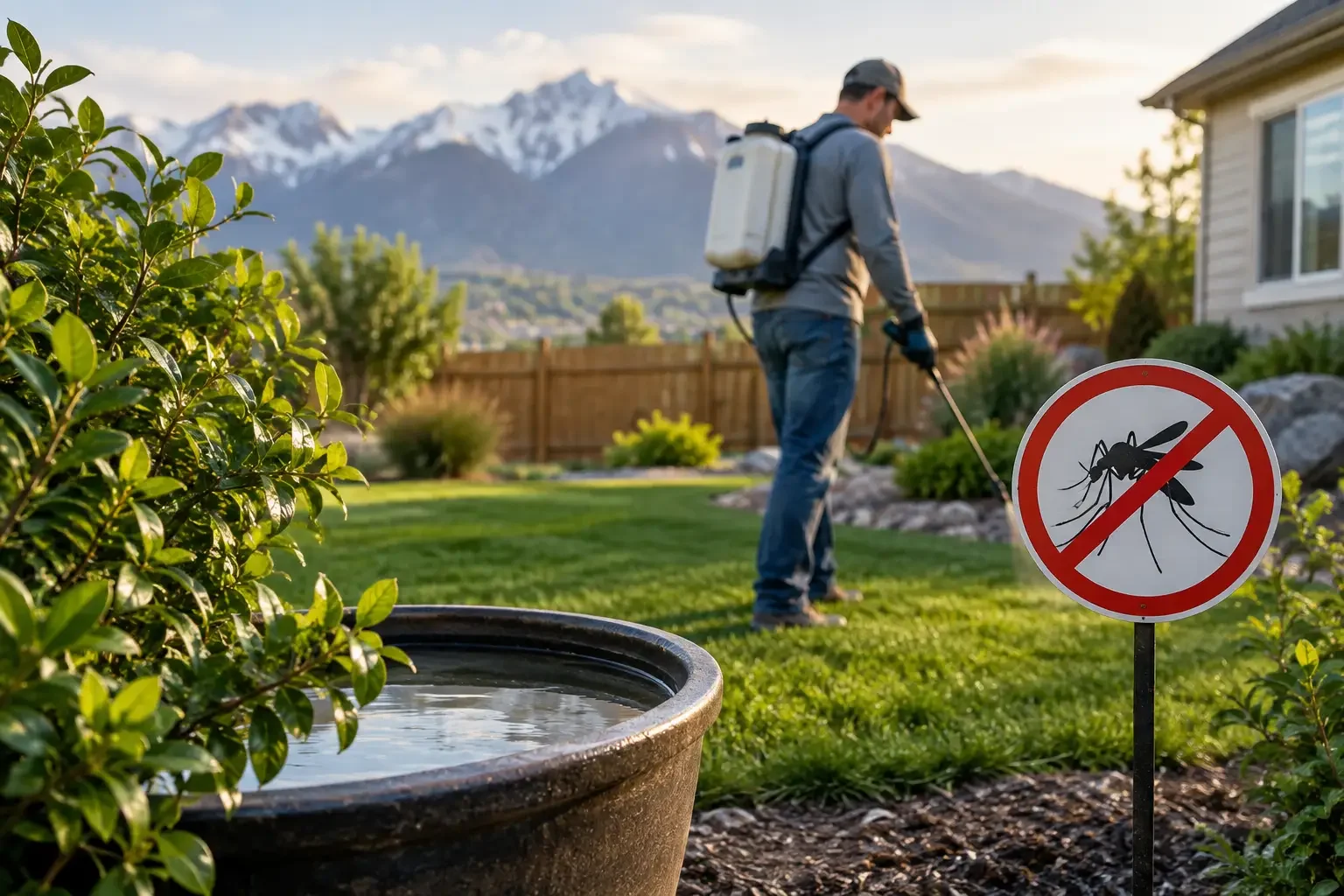
Mosquitoes rarely need a swamp to become a backyard problem. A forgotten bucket, a clogged gutter, or a patch of dense shade near the patio can give them what they need. This mosquito property preparation guide focuses on the practical work that makes your yard less inviting before mosquito season gets loud - and helps professional treatments deliver better results.
For Utah homeowners, timing matters. Mosquito activity often builds as temperatures rise, irrigation schedules increase, and outdoor dinners, kids' games, and patio time move outside. You cannot control every mosquito flying in from nearby properties or open space, but you can remove the easy places for them to breed and rest on your property.
Start With Standing Water - Even the Small Stuff
Female mosquitoes lay eggs in or near water, and many common backyard species can develop quickly when conditions are warm. That means a small amount of water left alone for several days can become more than a minor annoyance.
Walk your property after irrigation or rain and look low, not just wide. Turn over wheelbarrows, toys, plant trays, tarps, and bins that collect water. Check the edges of patios, sheds, playsets, and garden beds. If water keeps returning to the same spot, simply dumping it may not solve the issue. You may need to adjust a sprinkler head, fill a low area, repair a drip line, or move the item that is catching water.
Pay special attention to these usual suspects:
Buckets, watering cans, wagons, toys, and uncovered trash or recycling containers
Flowerpot saucers, birdbaths, pet bowls, and decorative water features
Pool covers, unused spas, rain barrels, and old tires
Clogged gutters, downspout extensions, and corrugated drainage pipes
Not every source of water has to disappear. Birdbaths and pet bowls can stay if you refresh the water often. Water features and ponds may need circulation, maintenance, or an appropriate mosquito-control approach. The goal is to stop still water from sitting long enough to support mosquito development.
Fix Irrigation Problems Before They Create a Mosquito Zone
Utah yards depend on irrigation, especially through the heat of summer. Unfortunately, misdirected sprinklers and overwatering can create soggy pockets that mosquitoes appreciate far more than your lawn does.
Run each irrigation zone and watch what actually happens. Is a sprinkler hitting a fence instead of a lawn? Is water pooling by the foundation, under a trampoline, or beside an AC unit? Are drip lines leaking around shrubs? These are small repairs with a big payoff for both mosquito prevention and water use.
Avoid watering late in the evening when possible. Evening watering does not automatically create mosquitoes, but it can leave vegetation damp during the hours mosquitoes are most active. Morning watering gives grass and plants more time to dry while still supporting a healthy lawn.
A thick, well-watered lawn is not itself a mosquito breeding site. The issue is standing water and the cool, humid hiding spots created by overgrown or constantly wet landscaping. There is a difference, and it is worth knowing before you cut back every plant in the yard.
Reduce Mosquito Hiding Places Near People
Adult mosquitoes rest in shaded, protected areas during the day, then come looking for a meal around dawn and dusk. Their favorite hangouts are often close to the places families use most: patios, decks, swing sets, dog runs, and shaded side yards.
Trim back dense shrubs and low branches enough to improve airflow. Mow tall grass along fences and around sheds. Clear heavy weeds from beneath decks, around garden borders, and near outdoor seating. You do not need a bare yard. Mature trees and privacy shrubs are valuable parts of a landscape. The practical move is to open up packed, damp areas where vegetation touches the ground and stays cool all day.
If your patio sits beside thick bushes, consider creating a little breathing room rather than removing the entire planting bed. A few feet of cleared space or selective pruning can make the area more comfortable and give mosquito treatments better access to the foliage where adults rest.
Prepare the Patio and Play Areas
Mosquito control is not only about the back fence. It is about where you want to spend time without constantly swatting your ankles.
Start by clearing clutter around patios, decks, and play equipment. Store unused toys upside down or under cover. Keep patio furniture clean and avoid piles of cushions, tarps, or yard tools that hold moisture underneath. If you use a fire pit or outdoor kitchen, check nearby planters and drainage areas as well.
Fans can make a noticeable difference in a seating area because mosquitoes are weak fliers. A portable fan aimed across a table or conversation area is not a whole-yard solution, but it is a simple layer of comfort for dinner outside. For larger gatherings, plan to use the most open, breezy part of the yard instead of the shaded corner beside dense landscaping.
Get Ready for a Professional Mosquito Treatment
Professional mosquito service works best when technicians can reach likely resting areas and when breeding sources are being managed. Before a scheduled treatment, unlock gates, move pets indoors, and pick up items blocking access along fence lines, shrubs, decks, and patio edges.
Let the technician know about vegetable gardens, ponds, beehives, sensitive plants, pet areas, or places where water regularly collects. Good mosquito control is targeted. A technician should know where activity is highest and what needs extra care, not treat every square foot as if it were the same.
After treatment, follow the service instructions for reentry and watering. In many cases, it makes sense to avoid immediate irrigation so the application has time to settle where it was placed. Conditions vary by product, weather, and the treatment area, so use the guidance provided for your service instead of guessing.
Safe Chem Pest uses targeted mosquito treatments designed around the areas mosquitoes actually use, with a practical focus on family and pet considerations. If you are pairing mosquito service with pest control, lawn care, or tree care, bundling can also reduce the cost while making seasonal property maintenance easier to manage.
Keep the Yard From Sliding Back Between Visits
Mosquito prevention is less about one giant cleanup and more about a short routine. Once a week, take five or ten minutes to empty standing water, scan for new pooling, and check the areas behind the shed and along the fence where problems tend to hide.
After storms, check gutters, tarps, covers, and low spots again. After a landscaping project, look for new containers, open drainage tubes, or irrigation lines that have been bumped out of place. If mosquitoes suddenly seem worse, do not assume treatment failed. A new source of water, thicker vegetation, a nearby construction site, or weather conditions may have changed the situation.
It also helps to set realistic expectations. No service can create an invisible wall around a property, especially when mosquitoes can fly in from neighboring yards, wetlands, or open space. The best results come from combining targeted treatment with water management and a yard that gives mosquitoes fewer places to hide.
A Quick Mosquito Property Preparation Guide Checklist
Before mosquito season gets busy, make sure water is draining instead of pooling, gutters are flowing, irrigation is aimed correctly, and dense vegetation near gathering spaces is trimmed back. Keep outdoor containers from collecting water, refresh water features as needed, and make patios and fence lines accessible for service.
That is not glamorous yard work, but it is the kind that pays off when you can sit outside at sunset without becoming the evening special.