
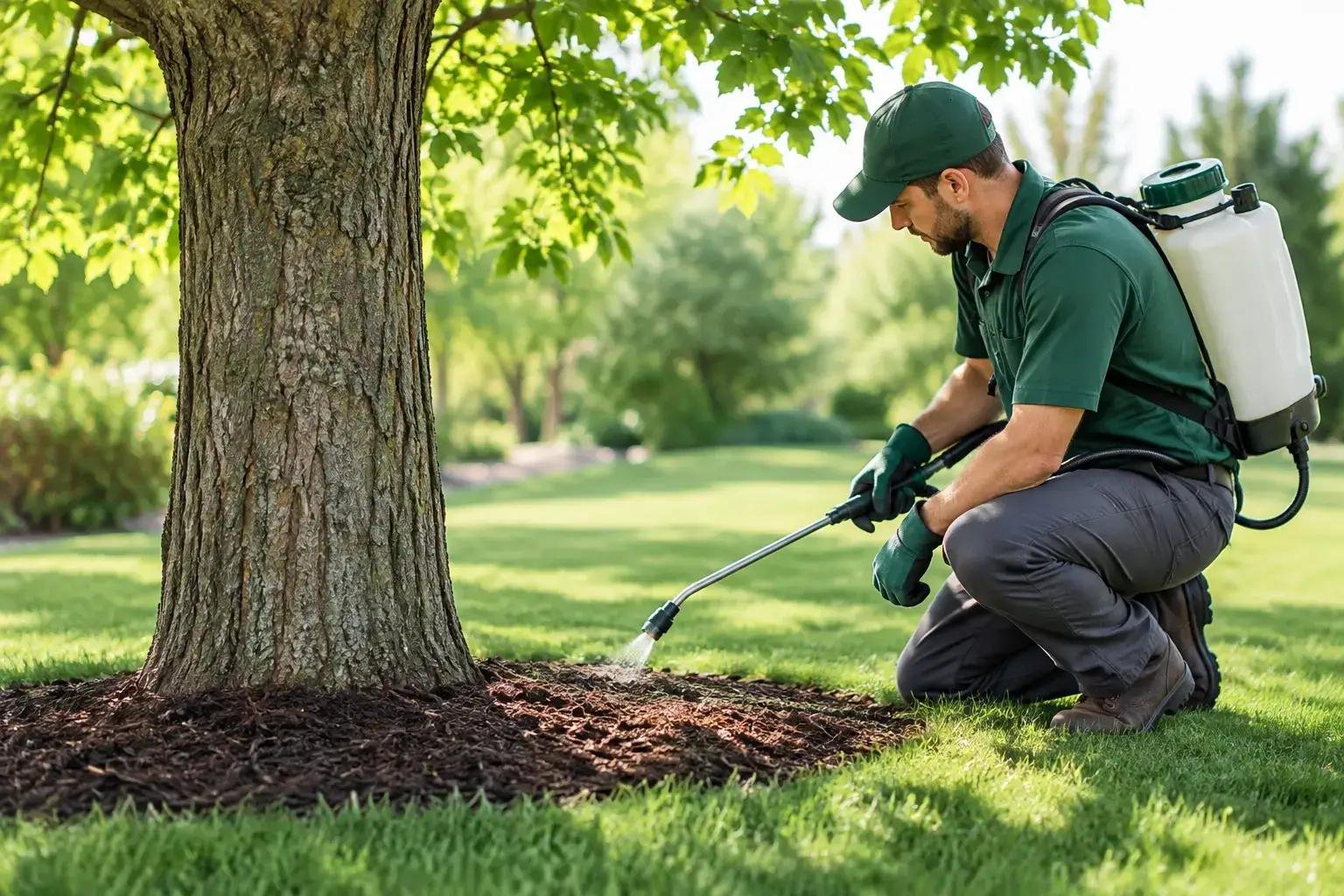
A mature maple that suddenly looks thin, a spruce with yellowing needles, or a young fruit tree that barely grew last year can make any homeowner wonder whether fertilizer is the answer. A tree fertilization service can be a smart investment, especially in Utah yards where compacted soil, clay, heat, drought, and new construction often put trees under real pressure. But fertilizer is not a magic green button. The right approach starts with figuring out what your tree actually needs.
Healthy trees add shade, curb appeal, and value to a property. They also take years to replace. Feeding them appropriately can support stronger growth and help them better handle seasonal stress. Feeding a tree that is sick, overwatered, planted too deep, or dealing with insects, however, may not solve the problem at all.
What Tree Fertilizer Actually Does
Trees need nutrients such as nitrogen, phosphorus, potassium, and smaller amounts of micronutrients to build roots, leaves, wood, and defenses. In a natural forest, decaying leaves and organic matter gradually return many of those nutrients to the soil. A landscaped yard works differently.
Leaves are raked up. Grass competes with tree roots. Soil may have been scraped, compacted, or changed during construction. In many Utah neighborhoods, the soil is heavy clay, alkaline, or low in available organic matter. Even if nutrients exist in the ground, a tree may struggle to access them.
A professional application places the right nutrients into the root zone, where feeder roots can use them. The goal is not explosive top growth. Fast, weak growth can create its own problems. The goal is steady health: better leaf color, stronger annual growth, improved root development, and more resilience during heat, drought, and pest pressure.
Signs You May Need a Tree Fertilization Service
A tree does not need fertilizer just because it is old or because the calendar says spring. Many established trees do well with good watering, mulch, and proper pruning alone. Still, there are clear situations where a tree fertilization service is worth considering.
Look for reduced leaf size, pale or yellow foliage, unusually sparse canopy growth, or minimal new twig growth compared with prior years. Young trees that fail to establish after planting may also benefit once watering, planting depth, and drainage have been checked. Trees growing near driveways, sidewalks, new homes, or heavily fertilized lawns often face soil conditions that deserve a closer look.
Stress after construction is another common reason to act. Roots can be damaged or compacted long before a tree shows it above ground. A thoughtful fertilization plan may help support recovery, but it should be paired with better watering and root-zone protection. Fertilizer cannot rebuild roots that are still being driven over by vehicles or smothered under a pile of soil.
Pale needles on evergreens deserve attention too. Some needle drop is normal, particularly on older interior needles. Widespread yellowing, browning at the tips, or thinning across the tree can point to nutrient issues, watering trouble, insects, disease, or winter damage. That is why a quick diagnosis matters more than tossing fertilizer around and hoping for the best.
Utah soil can make the difference
Utah’s dry climate and alkaline soils can affect nutrient availability. Iron chlorosis, for example, often appears as yellow leaves with darker green veins, especially on certain maples, oaks, birches, and other sensitive trees. Standard fertilizer may not correct that issue. The tree may need a more specific nutrient treatment, along with a closer look at soil conditions and irrigation.
This is one reason a tailored service usually beats a one-size-fits-all bag from the hardware store. More fertilizer is not automatically better. Sometimes it is just more expensive runoff and more stress on the tree.
When Fertilizer Is Not the First Fix
Before feeding a struggling tree, rule out the basics. A tree planted too deeply can decline for years because its root flare is buried. A tree receiving frequent, shallow watering may have weak surface roots and still look thirsty during hot weather. A lawn sprinkler schedule is not always a tree watering plan.
Pests and diseases also need their own solutions. Borers, aphids, scale insects, spider mites, fungal leaf spots, and root rot will not disappear because a tree received nitrogen. In some cases, excess fertilizer can even make tender new growth more attractive to certain pests.
If branches are dead, bark is cracking, mushrooms are growing at the base, or the tree is leaning after a storm, treat it as a safety and health issue first. Fertilization supports a living tree. It does not repair structural damage or reverse severe decline.
What a Good Tree Fertilization Visit Should Include
The best tree care starts with someone looking at the whole picture, not just the color of the leaves. A technician should consider the tree species, its age, visible symptoms, recent weather, irrigation habits, lawn competition, and the condition of the surrounding soil.
For many landscape trees, fertilizer is applied through soil injection or another root-zone method. This puts nutrients below the turf and closer to active feeder roots. It can also avoid leaving granules on the lawn where they may be washed away or picked up by pets and kids.
The timing depends on the tree and its condition. Spring and fall are often useful application windows, but there is no prize for fertilizing during a heat wave or when a drought-stressed tree has not been watered properly. A professional should be willing to say, “Not yet,” when correcting irrigation or another issue needs to come first. Honest advice saves money and gives the tree a better chance.
Ask the practical questions
You do not need a botany degree to hire tree care. Ask what symptoms the technician sees, what product or nutrient type is recommended, how it will be applied, and what change you can realistically expect. Also ask whether insect protection is needed. Tree fertilization and tree pest treatments often work well together, but they are not interchangeable services.
If you have kids or pets, ask about application precautions and when normal yard use can resume. Clear answers are a good sign. Tree care should not feel mysterious or salesy.
Fertilization Works Best With Smart Yard Habits
Fertilizer can help, but it performs better when the rest of the tree’s environment is working with it. Water deeply enough to reach the root zone, then let the soil dry appropriately between watering cycles. The exact schedule varies by tree type, soil, weather, and season, so avoid treating every plant in the yard the same.
A ring of mulch can make a bigger difference than many homeowners expect. Keep mulch a few inches away from the trunk and avoid the volcano shape. Piling mulch against bark traps moisture, encourages decay, and can invite pests. A broad, shallow layer helps retain soil moisture and reduces competition from grass.
Be careful with lawn products near trees as well. Tree roots often extend much farther than the canopy. Overapplying weed control products, damaging roots during digging, or repeatedly parking on the root zone can create problems that fertilizer alone cannot overcome.
A Practical Option for Utah Properties
For homeowners and property managers in Weber, Davis, and Salt Lake counties, tree care is often easiest when it is part of a straightforward seasonal plan. Safe Chem Pest can evaluate tree needs and provide tree protection and fertilization without the usual contract maze or pressure-heavy pitch.
If your property also needs pest control, mosquito treatments, or lawn care, bundling services can reduce the cost while keeping the schedule simpler. Bundling two qualifying services saves 10%, while bundling three or more saves 15%. Annual payment can add another 10% savings. That can mean up to 25% off already competitive pricing, without signing up for a service you do not need.
The key is to choose service based on the condition of your trees, not fear that every yellow leaf means disaster. A quick professional look can tell you whether targeted fertilization makes sense, whether a pest issue needs attention, or whether your tree simply needs deeper watering and a little breathing room.
Your trees have been working hard through hot summers, dry spells, wind, and winter swings. Give them the kind of care that addresses the real problem, and they will have a much better shot at staying healthy, shady, and worth coming home to.