
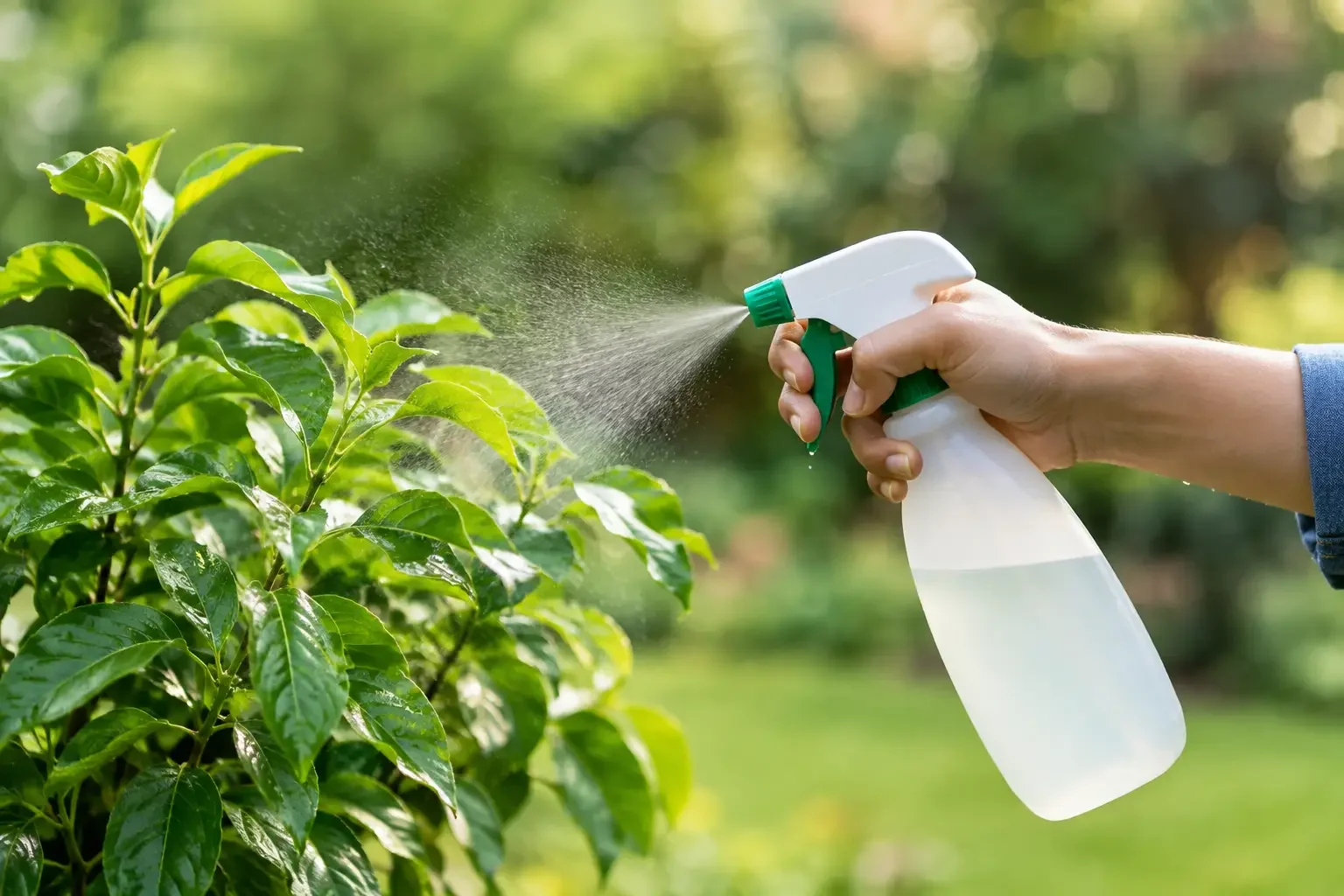
A spider in the basement or a line of ants across the counter can make any homeowner want the quickest, least-toxic fix available. That is a reasonable goal. But organic spray effectiveness is not about whether a bottle says “natural” on the label. It comes down to the pest, where the product is applied, how the infestation started, and whether the source gets addressed.
Organic treatments can be a smart part of pest control, especially indoors where families and pets spend the most time. They are not magic, though. A good plan uses the right treatment in the right place instead of treating every pest problem like it has the same answer.
What organic sprays are good at
Many organic or naturally derived pest sprays work as contact treatments. In plain English, they work best when the technician or homeowner can apply the product directly to an active pest or the places pests are actively traveling. Ingredients may affect an insect’s outer coating, disrupt its nervous system, or repel it from a treated area.
That makes these products useful for indoor pest activity involving ants, spiders, occasional invaders, and some crawling insects. When applied carefully to cracks, crevices, baseboards, plumbing entry points, and other targeted areas, an organic indoor application can reduce exposure while still addressing the problem where it is happening.
The trade-off is that many organic products have less residual staying power than conventional products. A product may work well today but provide less long-term coverage after regular cleaning, heat, sunlight, or weather exposure. That does not make it a bad treatment. It simply means the service plan needs to account for it.
Organic spray effectiveness depends on the pest
Different pests behave differently, so one “all-natural” spray cannot be expected to handle everything equally well.
Ants are a good example. Spraying visible ants can kill the workers you see, but the colony may still be tucked behind a wall, under a patio, or near the foundation. Effective ant control often requires locating trails, reducing food and moisture sources, treating entry points, and sometimes using a bait strategy that reaches the colony. If the nest is outside and the treatment only happens along the kitchen baseboards, the ants may simply find a new route.
Spiders are another common Utah concern. A treatment can reduce the spiders that cross treated areas, but web removal and exterior maintenance matter just as much. Spiders go where the food is. If exterior lights attract flying insects and those insects gather around doors, windows, and eaves, spiders have a pretty good reason to move in.
Wasps need a more direct approach. A visible nest near a door, deck, or play area should be identified and treated safely, not just sprayed from a distance and hoped for the best. For mosquitoes, broad yard spraying is rarely the whole answer. Standing water, shaded resting areas, timing, and repeat service all affect results.
Rodents are a different category altogether. Spray does not solve a mouse problem. Exclusion, trapping, and removing access to food and shelter are the real work. Anyone promising to spray rodents away is selling a shortcut that will not hold up.
Why placement matters more than a heavy application
More product does not automatically mean better protection. In fact, a heavy, widespread application can waste product while missing the routes pests actually use.
Professional pest control works best when treatments are targeted around pressure points: foundation cracks, utility penetrations, garage gaps, window wells, plumbing lines, door thresholds, and insect nesting areas. Indoors, that means precise applications in places pests hide or travel, rather than treating surfaces your family touches every day.
This approach is especially helpful for homes with children and pets. “Organic” should not be treated as a free pass to use any product anywhere. Every pest product should be applied according to its label, allowed to dry when required, and kept out of reach of kids and animals. Practical safety is about product choice, application method, and placement - not just one word on the front of a bottle.
At Safe Chem Pest, fully organic indoor applications can be paired with low-dose, targeted exterior solutions when the situation calls for it. That balance gives homeowners meaningful indoor peace of mind without pretending that every outdoor pest problem can be solved with the same tool.
The part sprays cannot do for you
A spray can knock down current activity, but it cannot close a gap under a garage door, clean crumbs from behind an appliance, or drain water from a forgotten planter. Long-term pest control is usually less glamorous than a fresh spray bottle. It is about removing the conditions that make a property attractive to pests.
For ants and cockroaches, moisture and food access are major factors. Repairing small leaks, storing pantry food in sealed containers, and cleaning pet bowls regularly can make a noticeable difference. For spiders, reduce exterior insect activity by keeping vegetation trimmed away from the home and limiting clutter near the foundation. For mosquitoes, empty standing water from birdbaths, toys, gutters, and containers at least weekly during the season.
Property managers face an added challenge because one unit, tenant, trash area, or landscaping issue can create pressure across a larger property. In those cases, communication and consistent service matter as much as the initial treatment. A one-time application may calm activity, but recurring prevention is often the more sensible choice when pests have regular access points.
When an organic-only approach makes sense
An organic-focused plan can make excellent sense when indoor treatment is the main concern, pest pressure is low to moderate, and the source can be corrected. It is also a good fit for homeowners who prefer naturally derived products as part of a broader prevention plan.
It may be less effective as a stand-alone answer when pest pressure is severe, colonies are established outdoors, or seasonal conditions keep driving pests toward the house. Utah’s hot, dry stretches can push pests toward available water and shelter, while cooler weather sends others looking for a way inside. A treatment plan needs enough flexibility to respond to those shifts.
This is where honest pest control should sound a little less exciting and a lot more useful: it depends. The best option is not always the strongest chemical, and it is not always an organic-only product either. It is the approach that addresses the specific pest, protects the areas that matter most, and gives you a clear path for follow-up if activity continues.
What to ask before choosing a pest service
Before booking service, ask whether indoor and exterior treatments are handled differently, what pests are included, and what happens if activity returns between visits. You should also know whether you are being pushed into a long contract before anyone has inspected the problem.
A clear answer is a good sign. So is a provider that explains what the treatment can realistically do, what you can do between services, and when a retreatment is appropriate. Pest control should not feel like a chemistry lecture or a high-pressure sales call.
If you are weighing organic options, start with the pest you are seeing and the place you are seeing it. A targeted treatment, a few smart home fixes, and dependable follow-up will usually outperform any one-size-fits-all spray. That is the kind of protection worth having around your home.